Jakarta's Airports Reopened at Midnight. Most Hotels Already Lost the Week.
Soekarno-Hatta came back online at one minute past midnight this morning. Halim and Bandung with it. If you run a hotel in Jakarta and your reaction was relief, you've already misread the week.
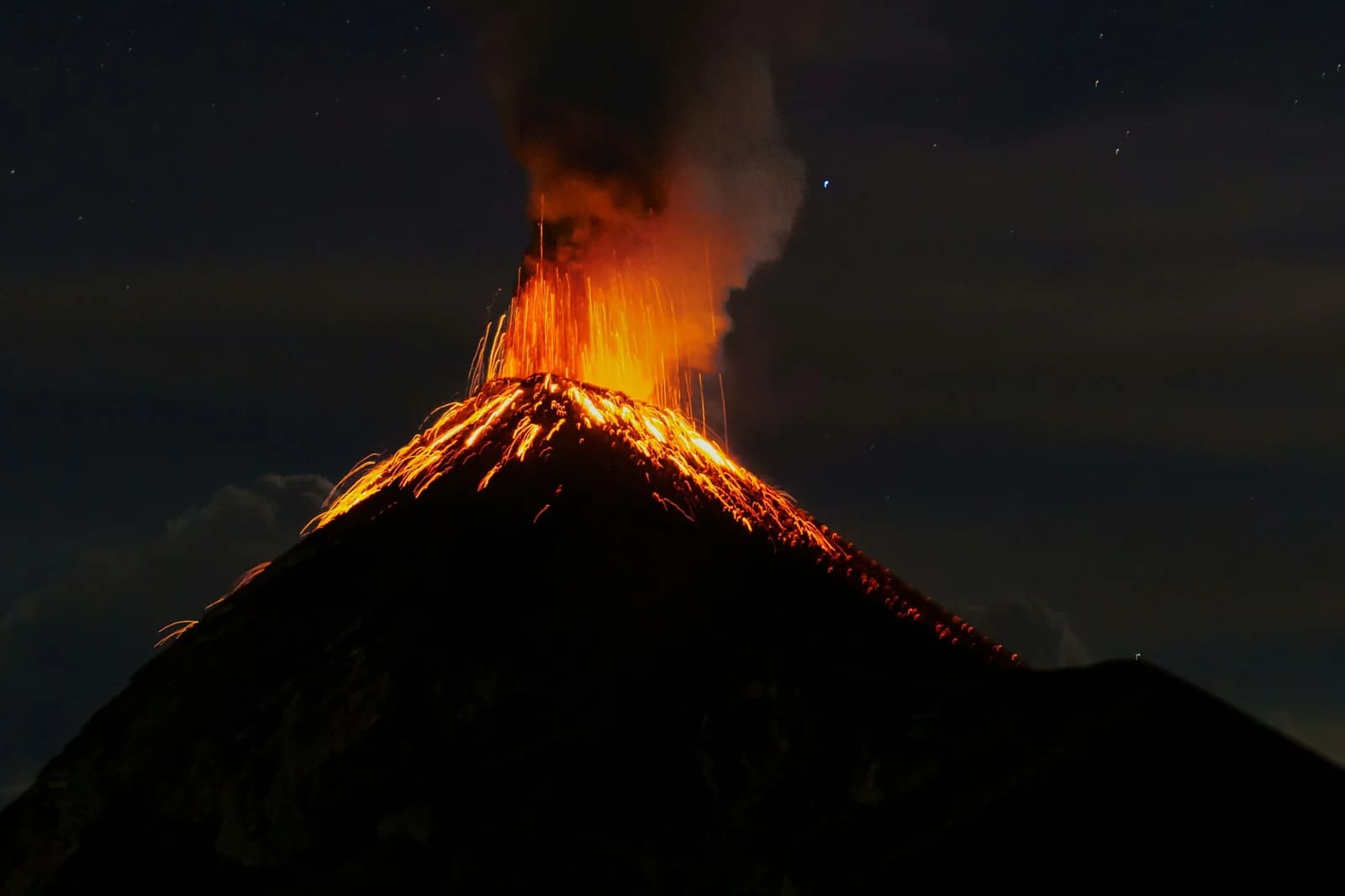
Anak Krakatau started erupting late Friday night and didn't stop for about 25 hours. It threw a lava fountain into the sky, made a noise you could hear 700km away, and pushed ash to 15,000 metres on the Sumatra side. Eight airports shut. Nearly 3,000 flights were cancelled, delayed or diverted. More than 340,000 passengers ended up stuck somewhere they didn't plan to be. Schools across Jakarta went online. Ships were told to stay three kilometres clear of the thing.
That was the disruption. It's over, mostly. Two airports in Lampung are still being watched and the geology agency still rates the probability of another eruption as high, so "over" is doing some work in that sentence.
Here's the part that matters commercially, and it's the part the industry keeps getting wrong: the money in a disruption like this isn't lost during the closure. It's lost in the 72 hours after the reopening.
The backlog is the demand, not the disaster
There were 178 aircraft sitting at Soekarno-Hatta through the shutdown, and every one of them needs an airworthiness check before it flies. Ash is abrasive. Airlines and regulators do not rush that process. So the schedule doesn't snap back at 00:01, it limps back over several days while crews are out of position, aircraft are out of position, and a backlog of 340,000 people tries to move through a system that was already running near capacity in September.
Practically, that means a lot of people who were "stranded at the airport" on Sunday are now "stranded in the city for another two or three nights" as of Tuesday. That's not a crisis. That's compression demand, arriving late, and it's some of the most reliable revenue you'll see all quarter because it's non-discretionary. These people cannot leave.
Most hotels will handle it in one of two ways, and both are wrong.
The first group panics. They looked at four days of cancellations, watched the pickup report bleed out, and opened the floodgates. Rate floors gone, OTA discounts live, a flash promotion going out on Wednesday to "recover the week." They'll fill, and they'll fill at 40% below what the market can actually bear, and they'll have trained a group of travellers that a Jakarta room is worth almost nothing.
The second group does nothing at all and lets the revenue management system handle it. The RMS sees a demand spike against constrained supply and does exactly what it was built to do: it climbs. Hard. And that is how a hotel ends up charging triple to a family that has been sleeping on a terminal floor since Saturday, then spends the next eighteen months explaining the screenshots.
Pick a number and be able to defend it
I'm not going to pretend there's a neat ethical line here. Rates move with demand, that's the job, and a hotel that never raises price during compression is leaving money on the table for no reason other than squeamishness. But there's a difference between a market rate rising and an algorithm gouging people who physically cannot go anywhere else, and every operator knows which side of that line they're on when they look at the number.
The workable answer is a disruption ceiling. A pre-agreed cap, set as a percentage over your normal seasonal rate, that your system cannot exceed while a regional emergency is active. Something like 25 or 30% over. High enough that you're properly compensated for a full house and stretched staff, low enough that no screenshot of your rate ends up in a news story about volcano price gouging. You set the number in advance, in a calm room, because you will not set a sensible number at 2am with 400 people in your lobby.
If you don't have one, write it this week. Not because Krakatau will erupt again, though it might. Because Indonesia has 127 active volcanoes and this is the second ash-driven airport closure in the region this year.
Four things worth doing today if you operate anywhere in the Java corridor
Call your existing in-house guests before they call you. Anyone with a departure booked in the next 48 hours is likely to be moved. Proactively offering the extension, at a held rate, before they discover their flight is gone, is the single cheapest loyalty move available to you right now, and it locks the room before the compression peaks.
Get someone on the airline rebooking desks rather than the arrivals board. Departure boards lag. Airline schedule-recovery announcements don't. Knowing on Tuesday afternoon which carriers are still cancelling Thursday flights tells you how to price Thursday, and your competitors are looking at yesterday's occupancy instead.
Check what your OTAs already did on your behalf. Force-majeure and weather waivers get applied at the platform level during events like this, without your sign-off. If four days of your inventory got auto-refunded and you haven't reconciled it, your channel manager is showing you a picture of a week that didn't happen.
Sort out your ash logistics before the guests notice. Ash blanketed Jakarta for days. It's abrasive and it wrecks HVAC filters, pool filtration, rooftop equipment and outdoor F&B surfaces. Cloud-seeding was used to wash some of it away, which helps the streets and does nothing for your air handlers. Filter changes cost a few hundred dollars. A compressor failure in the middle of your recovery week costs considerably more.
The uncomfortable bit
Every operator in a disruption-prone region says they have a crisis plan. Almost none of them have a recovery plan, and recovery is the longer, more expensive, more reputationally dangerous half. The closure phase is easy to explain to a guest. Nobody blames a hotel for a volcano. The reopening phase, where you decide what to charge people who cannot leave, is entirely yours. That's the one they'll remember.
Jakarta is flying again this morning. The question worth asking in your revenue meeting today isn't how much of last week you can claw back. It's what number you'd be comfortable seeing on a screenshot.