Hormuz Just Went Hot Again: What Hotels Should Do Before the Ceasefire Expires Wednesday
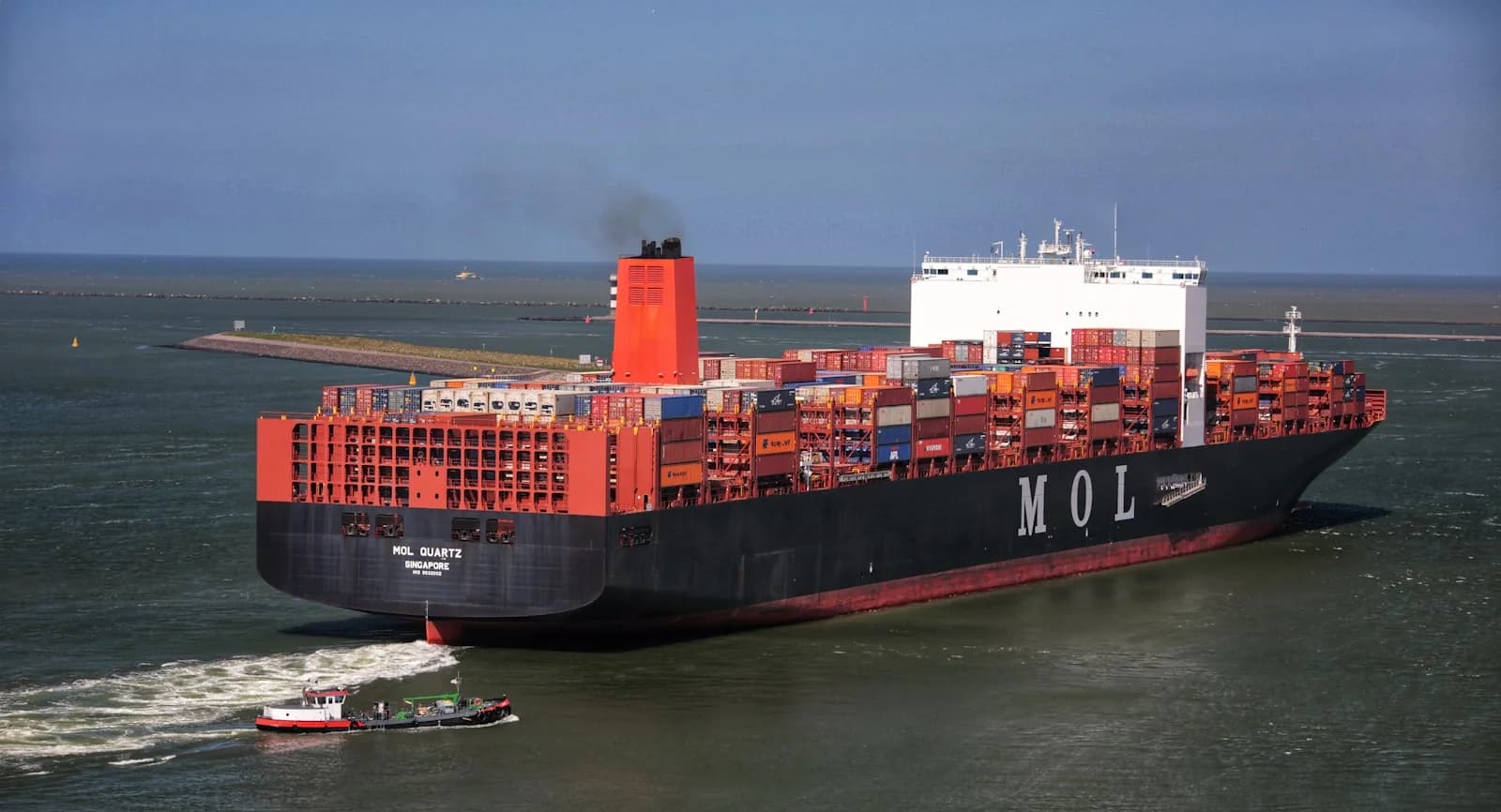
The USS Spruance intercepted and seized the Iranian-flagged cargo ship Touska in the Gulf of Oman on April 19, firing on its engine room after a six-hour standoff. Hours earlier, Iran had reversed its short-lived reopening of the Strait of Hormuz and reimposed the blockade on shipping. Brent crude jumped 7% overnight to $95.71, and the ceasefire between the US, Iran, Israel, and Lebanon expires Wednesday, April 22.
If you run a hotel, this is not background noise. The situation that most operators hoped would ease by summer just escalated in a single weekend, and the next 48 hours decide how bad Q3 gets.
What actually changed over the weekend
On April 17, Iran's foreign minister said the Strait was "completely open" to shipping for the duration of the Lebanon ceasefire. That was the first good news since the blockade went into effect on April 13. Oil prices eased, jet fuel started to pull back, and several Gulf airlines began planning to restore cancelled routes.
That window lasted about 36 hours.
By April 18, Iran reversed course and re-closed the Strait after Trump refused to lift the US naval blockade. Then came Sunday. USS Spruance intercepted the Touska heading to Bandar Abbas, warned it repeatedly, then disabled its propulsion with gunfire and boarded it. Iran is now promising retaliation. Tehran has refused to send a delegation to the Islamabad talks that were supposed to happen before the ceasefire runs out.
That's the state of play on Monday morning. Oil is back up, Hormuz is closed, and the diplomatic track is frozen.
Where this hits your bookings first
If your property sits on a Gulf coast, the Eastern Mediterranean, or a Red Sea beach resort, you already knew. Cancellations have been climbing for two weeks and summer pace is ugly. This weekend just made it worse. Expect another wave of cancellations and rebookings to land in your inbox on Monday and Tuesday as travel insurers and corporate risk teams react to the ship seizure.
But the pressure is not limited to the region anymore. Three other groups of properties need to pay attention.
First, Southern European resorts. Greece, Cyprus, Malta, Southern Spain, and Southern Italy are absorbing a lot of the demand that got displaced out of Turkey, Egypt, and the Gulf earlier this month. Your summer pace probably looks stronger than last year. That's real, and you should be ready to protect rate. But oil at $95 pushes airline fuel surcharges back up by the end of the month, which eats into family budgets and can soften shoulder-season leisure demand. Watch your August and September pickup carefully.
Second, North American and UK city hotels. You are exposed through two channels. Rising oil feeds into ground transport costs, which is already tightening corporate travel budgets. And every escalation on Hormuz is another reason for European inbound travelers to look at your prices, shrug, and stay home. Business mix matters here. If you rely on international leisure, assume weaker pickup for the next 30 days.
Third, properties anywhere running on variable-rate energy contracts. Your utility bill is not going to get cheaper in 2026. It is almost certainly going up in the next quarter.
Five things to do this week
None of these require approval from corporate. You can make all of them before Wednesday.
Lock your energy where you can. Call your energy broker or facilities team today. If your gas or electricity contract is on a variable rate and resets in the next 90 days, try to fix it before the end of April. Even a three-month hedge is better than riding a spot market that just broke north.
Re-tighten your flexible cancellation terms, but quietly. For new bookings landing this week, shorten the free-cancellation window back to 48 or 72 hours on rate plans that were previously 7 or 14 days. Do not change terms on existing bookings. Don't publicise the change. This is a quiet tightening to limit your downside exposure if the ceasefire breaks.
Pause paid spend in affected origin markets. If you were running Meta or Google campaigns targeting Tel Aviv, Beirut, Dubai, Riyadh, Tehran, or Abu Dhabi, pause them. Demand from these markets is not responsive to your rate right now, and you are burning budget. Redirect that spend to domestic origin markets and nearby European source markets that are converting.
Prepare a guest communication template. For guests with reservations in the Gulf, Eastern Mediterranean, or Israel between now and September, draft a short, helpful email today. Include your flexible rebooking options, a link to the relevant travel advisory from their government, and a named contact on your team. Do not send it yet. Have it ready to go if the ceasefire collapses Wednesday night.
Pull your summer forecast apart one more time. Most operators are still running June through August pace against 2025 actuals. That comparison is going to lie to you this year. Split your pace by origin market and flag anything that's dependent on Middle East, Gulf, or Israeli demand. That's your at-risk bucket. Build a low case that assumes it doesn't recover until September.
What to watch between now and Wednesday night
Three signals tell you which way this breaks.
One, whether Iran attends any version of talks before the ceasefire expires Tuesday at midnight. As of Sunday, they'd refused. If a delegation shows up Monday or Tuesday, even informally, that's a thaw signal. If no one goes, assume a hot Q3.
Two, whether oil holds above $95 or pushes through $100. A sustained close above $100 means airlines restore fuel surcharges, package tour operators reprice, and you get a visible demand dip in your shoulder months.
Three, whether there's any additional maritime incident. Iran has promised retaliation for the Touska seizure. If a Western-flagged tanker or warship gets hit, you will know within hours because every insurer in the region will raise war-risk premiums the next morning, and that flows straight into airline ticket prices.
Things are moving faster than anyone wants. The hotels that come out of this summer with margins intact will be the ones that acted in the first 72 hours after each escalation, not the ones who waited to see what Thursday brings.