Kyushu's Airport Has No Reopening Date. That's the Real Crisis for Hotels
A magnitude 7.1 earthquake tore through Japan's Kyushu region Tuesday afternoon, centred on Kumamoto Prefecture. At least 13 people are confirmed dead, a shopping mall in Kashima Town partially collapsed with workers trapped inside, and fires broke out in Kumamoto City. That's the headline. It's not the part hotel operators in the region should be losing sleep over.
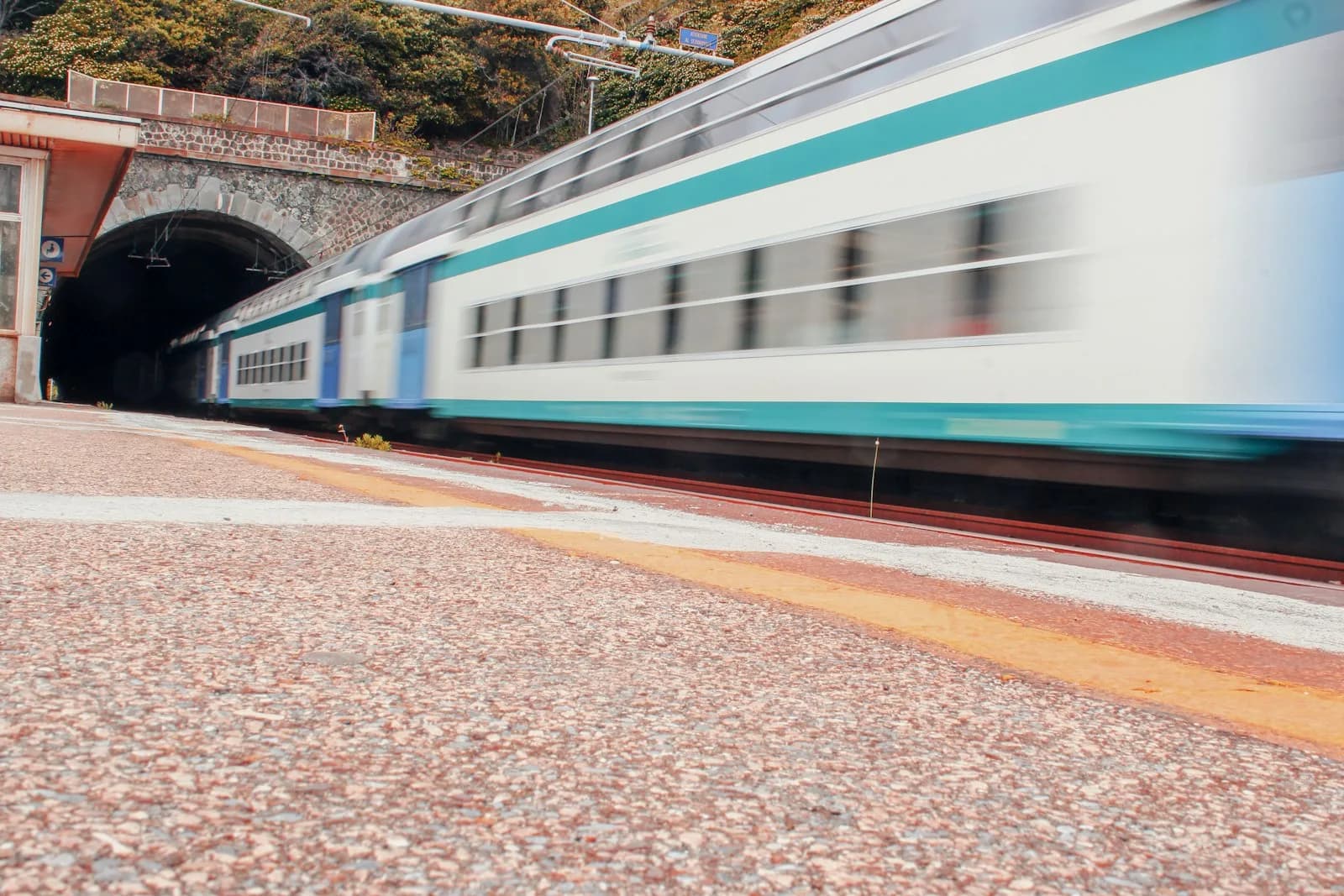
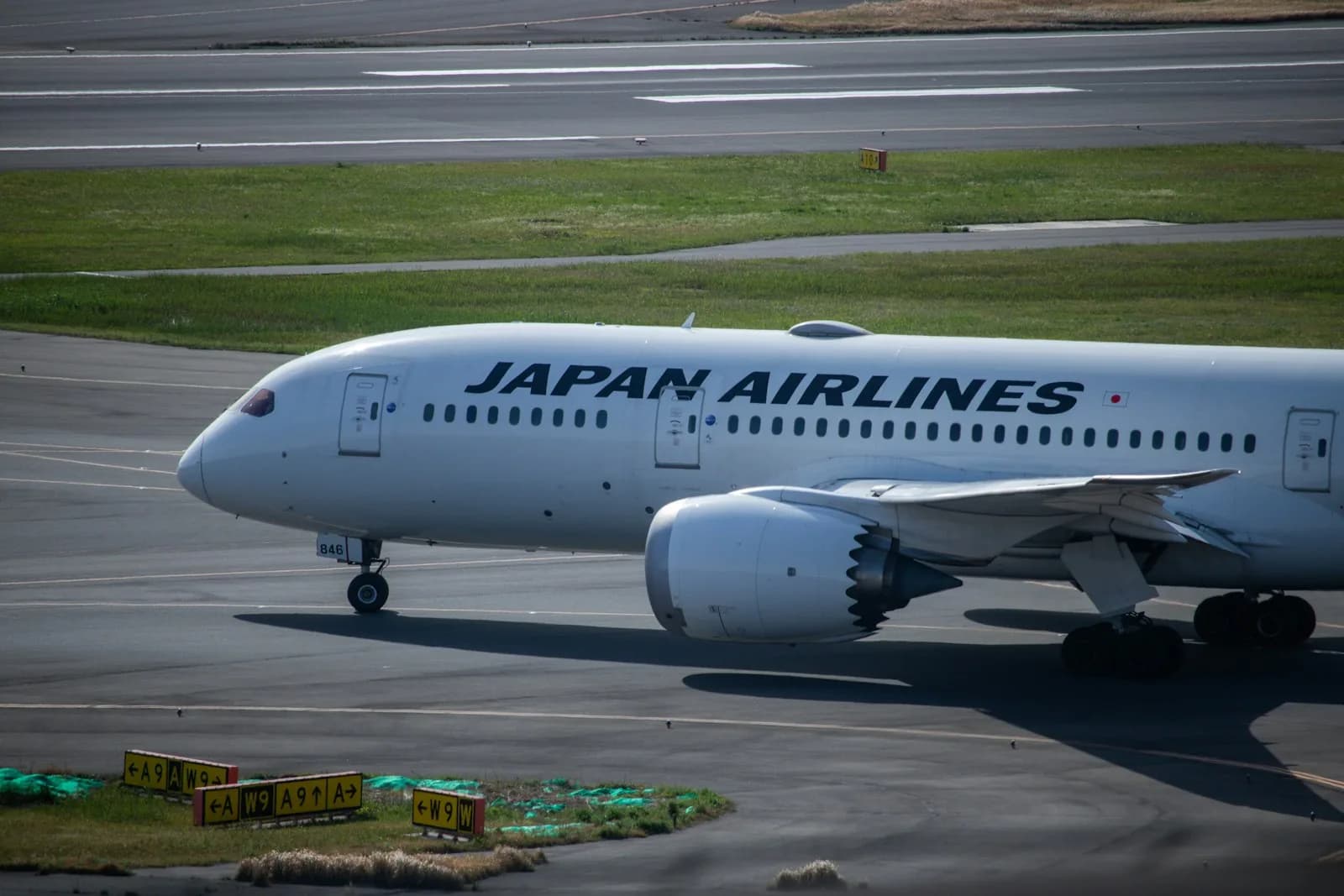
The part that matters for your operation is this line, straight from the airport's own notice: Aso Kumamoto Airport's runway is closed with "no prospect of resuming operations." Not delayed. Not under review. No prospect. Pair that with JR Kyushu suspending every train, including the bullet trains, for safety inspections, and you don't have an earthquake story anymore. You have a stranded-guest story, and it's going to run for days, maybe longer.
The quake ends. The logistics don't
Aftershocks are still coming. A magnitude 6.1 aftershock hit about 40 minutes after the main shock, and dozens more have rattled the region through the night. Seismologists are openly warning that further strong quakes are possible. That's unsettling, but it's not actually the hard operational problem. Aftershocks are a known category. Every property on a seismic coast has, or should have, a script for shaking.
What almost nobody has a script for is what happens when the two main ways in and out of a region both go dark at once. No flights. No trains. Roads aren't much better, with 26 sections of the Minami Kyushu Expressway closed. Around 40,000 homes are without power, and 43 medical institutions are dealing with utility disruptions of their own. If you're running a property in Kumamoto, Fukuoka, or anywhere across Kyushu right now, your guests aren't asking "is it safe." They're asking "how do I leave," and for a lot of them, right now, the honest answer is that they can't.
That's a different kind of crisis than the one most hotel disaster plans are written for. Evacuation plans assume you can get people somewhere. This one requires you to actually house, feed, and calm people who have nowhere to go, for an indefinite number of days, while the ground keeps moving under them.
Stop treating "no prospect of resuming operations" as someone else's problem
There's a natural instinct to read an airport notice like that and think it's an airline and airport authority issue, not a hotel one. That's backwards, and it's going to cost properties in the region real money and real reputation if they don't correct it fast.
Every guest who was scheduled to fly out of Kumamoto this week is now your guest for longer than either of you planned. Every guest who was scheduled to arrive is now stuck somewhere else, trying to figure out whether their booking still makes sense. Both of those groups are going to remember exactly how you handled it.
The properties that come out of this looking competent are going to do three unglamorous things immediately, not eventually.
First, waive change and cancellation fees for anyone caught in the closure, full stop. Don't make a guest whose flight home doesn't exist argue with your terms and conditions. That fight, if you win it, costs you a guest and a review forever.
Second, extend stays at rate, not rack rate, for guests who are stuck because of the airport, not because they wanted a longer holiday. Charging someone premium walk-in pricing because an earthquake stranded them is the kind of decision that turns into a screenshot, and screenshots from disaster zones travel fast and stick around.
Third, get ahead of it in writing. A short, honest message to every current and upcoming guest: here's what's closed, here's what we know, here's what we're doing, here's how to reach us. Silence is the one response guests never forgive, whether the news is good or bad.
If you're not in Kyushu, you still have work to do today
Hotels across the rest of Japan and the wider region have a quieter but real job right now too. Travelers with any trip touching Kyushu in the next week are watching this news and wondering whether to cancel everything, not just the affected leg. That's an overreaction in most cases, since the closures are regional, not national, but you won't talk anyone out of overreacting with silence either.
If you're a property in Fukuoka, Nagasaki, or anywhere else on Kyushu that wasn't directly hit but shares the same rail and air network, proactively tell guests what's actually still running and what isn't. Most of Kyushu's rail and flight capacity outside the immediate Kumamoto zone will likely recover well before the airport does. Guests assume the whole island is dark unless someone tells them otherwise.
And if your property is anywhere else in Japan entirely, resist the urge to stay quiet because "it's not our region." A one-line update on your website or booking confirmations, noting that the disruption is contained to Kyushu and doesn't affect travel elsewhere in the country, heads off a wave of unnecessary cancellations from guests who saw one alarming headline and assumed the worst nationwide.
The aftershocks are the wrong thing to fear
It's tempting to build your response entirely around the aftershocks, because they're the most visceral part of the story. But aftershocks are survivable with a good evacuation script, and most properties in earthquake-prone Japan already have one. What kills a hotel's reputation this week isn't a building shaking again. It's a guest sitting in a lobby for the fourth day running, with no flight, no train, and no idea whether the hotel sees that as their problem to help solve or not.
Kumamoto has been here before. The 2016 earthquakes damaged the same region and took years to fully recover from in places. Nobody knows yet whether this one will be as severe, and casualty and damage figures are still being updated as rescue efforts continue at the collapsed mall in Kashima Town. What's already clear is that the operational test for hotels isn't the shaking. It's everything that happens in the days after, when the cameras have moved on and your guests are still there, waiting for a way home that doesn't exist yet.
This is a developing situation. Casualty figures, transport reopening timelines, and aftershock advisories were still being updated at the time of writing. Follow the Japan Meteorological Agency, JR Kyushu, and local authorities for the latest official guidance.