OTA Fees: The Biggest Profit Drain You've Been Trained to Ignore
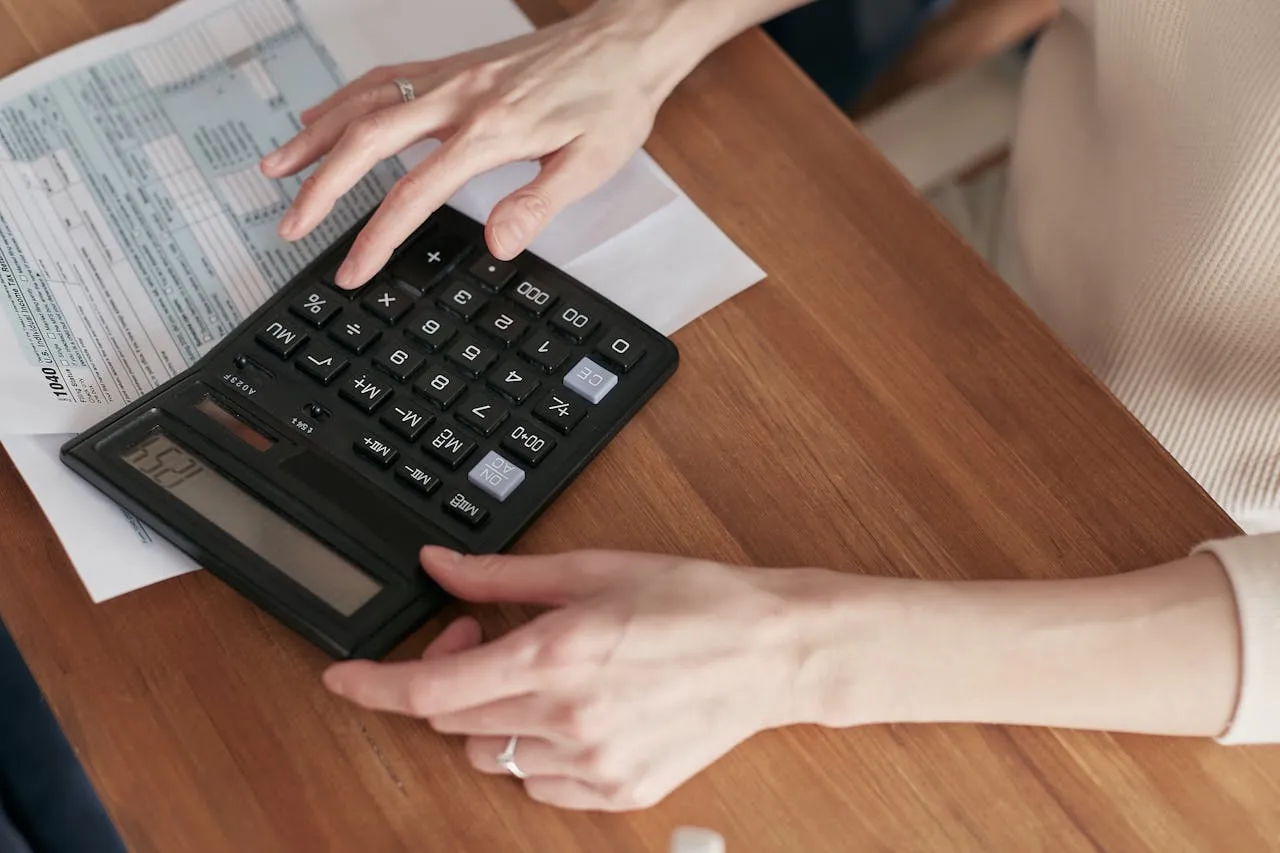
I want you to do a calculation. Take your total room revenue for last year. Multiply it by the percentage of bookings that came through OTAs. Multiply that by your average commission rate. Write the number down.
For a 100-room hotel with an ADR of EUR 140 and 70 percent occupancy, roughly 60 percent of bookings through OTAs at 18 percent average commission, that number is approximately EUR 386,000. Per year. Handed to Booking.com, Expedia, and friends.
Now look at your net profit. For most European independent hotels, net margins sit between 8 and 14 percent according to HotStats' 2025 European Hotel Performance Report. On the same property, that is EUR 280,000 to EUR 490,000 in net profit. You are likely paying OTAs somewhere between 80 percent and 140 percent of your entire net profit.
Let that sink in. You may be giving OTAs more money than you keep.
The Commission Structure Nobody Talks About Honestly
Booking.com's standard commission is 15 percent. That is the number everyone quotes. It is also misleading.
If you participate in their Preferred Partner programme - and most independent hotels do because the alternative is being buried in search results - your effective commission is 17 percent. Add their Genius loyalty programme, which requires you to offer a 10-15 percent rate discount to Genius members, and your blended commission climbs to 20-22 percent on those bookings.
Then there are Booking.com's "Visibility Booster" and "Sponsored Ads" features, which let you pay an additional 1-5 percent commission for better placement within the platform's search results. A hotel that uses all of these tools - and Booking.com's account managers are trained to push you into every single one - can end up with an effective blended commission of 22-25 percent.
Expedia's model is similar. Base commissions of 15-20 percent, with "accelerator" programmes pushing effective rates higher. Airbnb charges hosts 3 percent plus a 14-16 percent guest service fee (which inflates your listing price to guests, making you look more expensive than you are).
The compounding effect is what kills you. Commission is calculated on the gross booking value, which includes taxes in many markets. You pay commission on VAT you are going to remit to the government anyway. On a EUR 140 room with 13 percent VAT in Greece, you are paying 18 percent commission on EUR 158.20, not EUR 140. That is an extra EUR 3.28 per booking that nobody thinks about. Over a year, on 15,000 OTA bookings, that is EUR 49,200 in commission paid on tax revenue you never keep.
The Real P&L of OTA Dependency
Let me walk through the full financial picture for a specific property. A 65-room hotel on the Peloponnese, Greece, shared their 2024 distribution data with me.
Total room revenue: EUR 1,180,000
OTA distribution (68 percent of bookings):
- Booking.com: 52 percent of total bookings, 18.4 percent blended commission = EUR 113,000
- Expedia: 11 percent of total bookings, 17 percent commission = EUR 22,100
- Other OTAs: 5 percent at various rates = EUR 8,900
- Total OTA commissions: EUR 144,000
Direct bookings (32 percent):
- Website hosting, booking engine (Cloudbeds), Google Ads: EUR 18,400
- Cost per direct booking: approximately 4.9 percent
Their net operating profit before debt service was EUR 142,000. The commissions they paid were EUR 144,000. They paid OTAs more than they earned. The owner described it as "running a hotel for Booking.com's benefit."
This is not an outlier. STR Global's 2025 European hotel profitability report shows that independent hotels with OTA dependency above 60 percent have average net margins 4.2 percentage points lower than properties with OTA share below 40 percent. That gap exists entirely because of distribution cost.
The Billboard Effect: What OTAs Actually Give You
OTA advocates - and every Booking.com account manager - will tell you that OTAs provide reach you cannot generate yourself. This is partially true and partially a convenient story that justifies their commission rates.
The billboard effect - the phenomenon where a guest discovers your property on an OTA and then searches for your website to book direct - is real and documented. A 2022 Cornell study by Chris Anderson found that hotels listed on OTAs receive 9-26 percent more direct bookings than comparable unlisted properties. OTAs function as advertising for your brand. The question is whether 15-25 percent commission is a reasonable advertising rate.
For comparison: Google Hotel Ads charge 10-15 percent commission-per-stay. Google Ads (PPC) for hotel keywords typically run at EUR 0.80-2.50 per click, with conversion rates of 2-4 percent, yielding a CPA of EUR 20-125 per booking - roughly 4-12 percent of a EUR 140 room night. Meta (Facebook/Instagram) advertising for hotels runs at EUR 0.40-1.20 per click with slightly lower conversion, yielding similar CPA ranges.
The OTA's "reach" is valuable, but at 18-22 percent commission, you are paying a premium of 6-18 percentage points above what alternative digital channels cost. On EUR 386,000 in annual OTA commissions, shifting just 15 percent of that volume to Google Hotel Ads or direct channels would save EUR 35,000-55,000 per year with no loss in total bookings if managed correctly.
Three Operators Who Broke the Dependency
Hotel A - 78 rooms, Thessaloniki, Greece. OTA share dropped from 72 percent to 41 percent over 18 months. Actions: launched Google Hotel Ads at 12 percent commission-per-stay, added direct-booking incentives (free breakfast worth EUR 8, late checkout), invested EUR 400/month in Google Ads targeting brand and destination keywords. Result: net revenue increased 11 percent despite a 6 percent dip in total bookings for one quarter during the transition.
Hotel B - 42 rooms, Algarve, Portugal. OTA share dropped from 65 percent to 38 percent over 24 months. Actions: rebuilt website on Squarespace with SiteMinder booking engine (EUR 3-5/reservation), created 14 local content pages targeting long-tail keywords ("family-friendly beaches near Lagos," "Algarve wine tasting day trips"), built email list of 4,200 past guests and ran two email campaigns per month. Result: direct bookings grew from 22 percent to 44 percent of revenue. Annual commission savings: EUR 67,000.
STR Operator C - 9 units, Lisbon, Portugal. Airbnb dependency dropped from 85 percent to 52 percent over 12 months. Actions: launched a direct booking website via Lodgify (EUR 17/property/month), listed on Google Vacation Rentals via Lodgify integration, offered a 7 percent discount for direct bookings versus Airbnb pricing. Result: Airbnb service fees saved approximately EUR 14,000 annually. Direct-booking guests had a 34 percent repeat-booking rate versus 8 percent from Airbnb.
The pattern across all three: the transition requires 12-24 months of sustained effort, involves a short-term revenue dip, and delivers a permanent structural improvement to profitability. Nobody said it was easy. But the alternative - continuing to pay EUR 100,000-plus per year in commissions - is not easy either. It is just familiar.
The Toolkit for Shifting Distribution
Booking engine: SiteMinder TheBookingButton, Profitroom, or Cloudbeds. EUR 3-5 per reservation. Non-negotiable - if your booking flow is worse than Booking.com's, you lose the direct sale.
Google Hotel Ads: Commission-per-stay at 12-15 percent, pointed at your direct booking engine. Lower CPA than OTAs, full guest data. Requires connectivity partner (SiteMinder, D-EDGE, or Cloudbeds all support this).
Channel manager: SiteMinder, Cloudbeds, or Beds24. Manage rate parity and availability across all channels from one dashboard. Budget EUR 100-300/month depending on property size.
CRM and email marketing: Revinate (from USD 200/month) for hotels, or Mailchimp (free up to 500 contacts) for smaller operations. Every guest who books direct should enter an automated email sequence - thank you, mid-stay check-in, post-stay review request, three-month rebooking nudge. The Algarve hotel generates 22 percent of their direct bookings from email campaigns to past guests.
Metasearch management: D-EDGE or Triptease for managing your presence across Google Hotels, TripAdvisor, Trivago, and Kayak from one platform. Typical cost: EUR 150-400/month. Worth it if you are spending more than EUR 3,000/month on OTA commissions.
So What Box
Calculate your actual OTA cost. Total commission paid divided by total room revenue. Most operators are shocked when they see 12-18 percent of gross revenue going to intermediaries.
Set a 12-month OTA reduction target. If you are above 60 percent OTA share, aim for 45 percent. If above 45, aim for 35. Do not try to go below 25 percent unless you have very strong brand recognition.
Launch Google Hotel Ads. Commission-per-stay model, 12-15 percent. Point to your direct booking engine. Budget EUR 300-500/month for a 50-100 room hotel.
Fix your direct channel. Modern booking engine, direct-booking perk, rate parity with added value. Every percentage point shifted from OTA to direct adds roughly EUR 1,000-3,000 annually per 10 rooms.
Build your email list. Every direct guest enters an automated sequence. Past guests who rebook direct cost you almost nothing to acquire.
Kicker
You are not paying for distribution. You are paying a recurring subscription to avoid doing the marketing work yourself. The question is whether that subscription is still worth the price.