Spain's General Strike Is About Rent. Hotels Treating It Like a Flight Delay Are Missing the Point.
Spain shut down for 24 hours today, and most hotels will file it under "travel disruption" and move on. That's the wrong folder. This strike was called over rent, and your housekeepers pay rent.
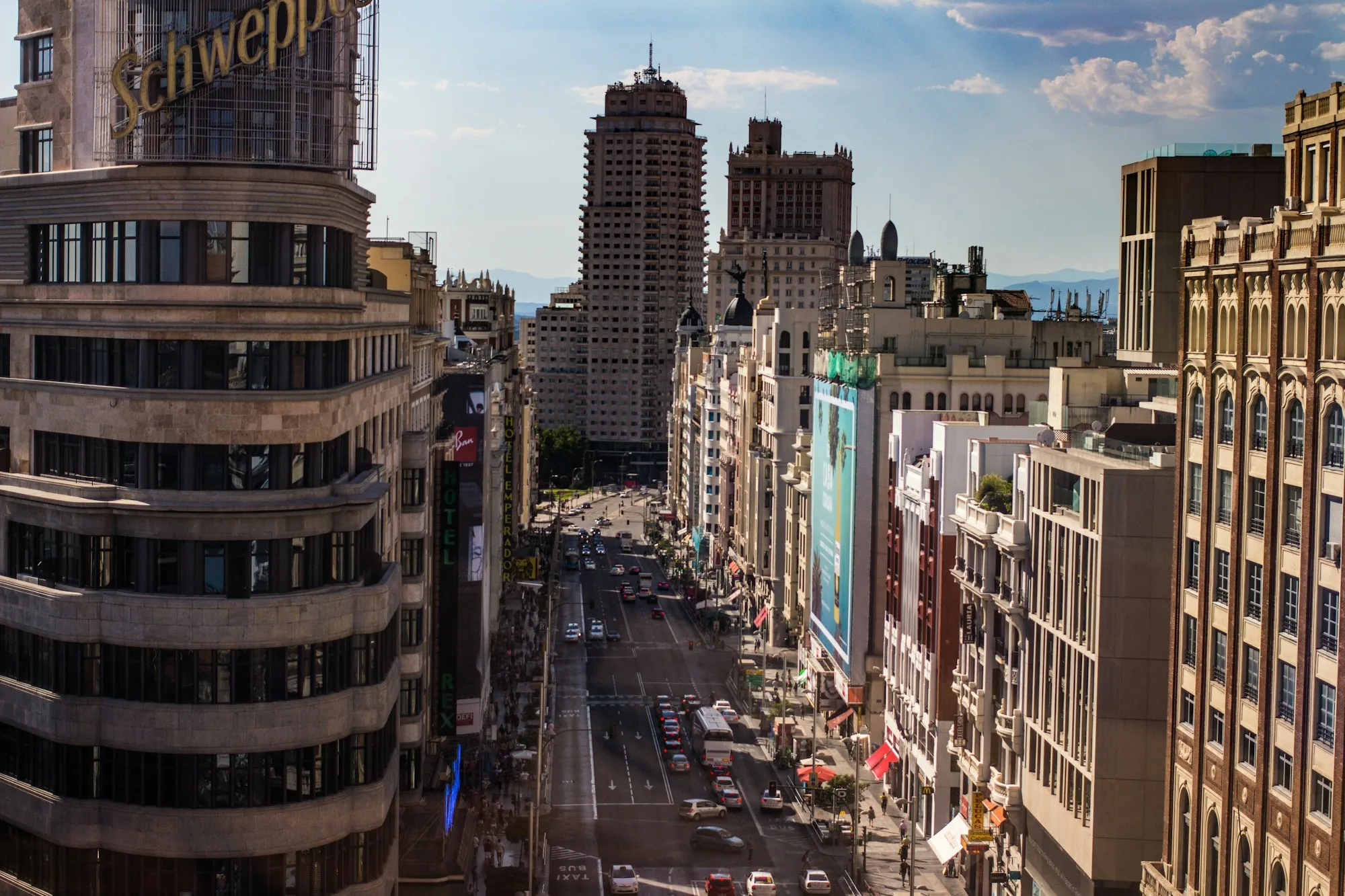
CCOO and UGT, the country's two biggest unions, called the nationwide general strike for Wednesday, November 11. The demands are wages, working conditions and access to housing, timed less than three weeks before the November 29 general election. Yes, flights were cut. Yes, trains ran on minimum services. But if you run a hotel or a block of tourist flats in Madrid, Barcelona, Málaga, Valencia or the islands, the travel chaos is the easy part of this story.
The numbers you had to deal with today
Start with the part that hit your arrivals list. The Transport Ministry set minimum services at the big airports, and the domestic numbers were brutal. At Madrid Barajas, 57% of international flights were protected, but only 32% of domestic ones. At Barcelona El Prat it was 56% international and 34% domestic. Inter-island routes fared better, with protected levels around 78% to 79%.
Read that again if you depend on domestic business travel. Two out of three Madrid-Barcelona style hops were not guaranteed. Iberia warned some flights would be hit and offered alternatives, which in practice means rebookings onto Thursday and Friday.
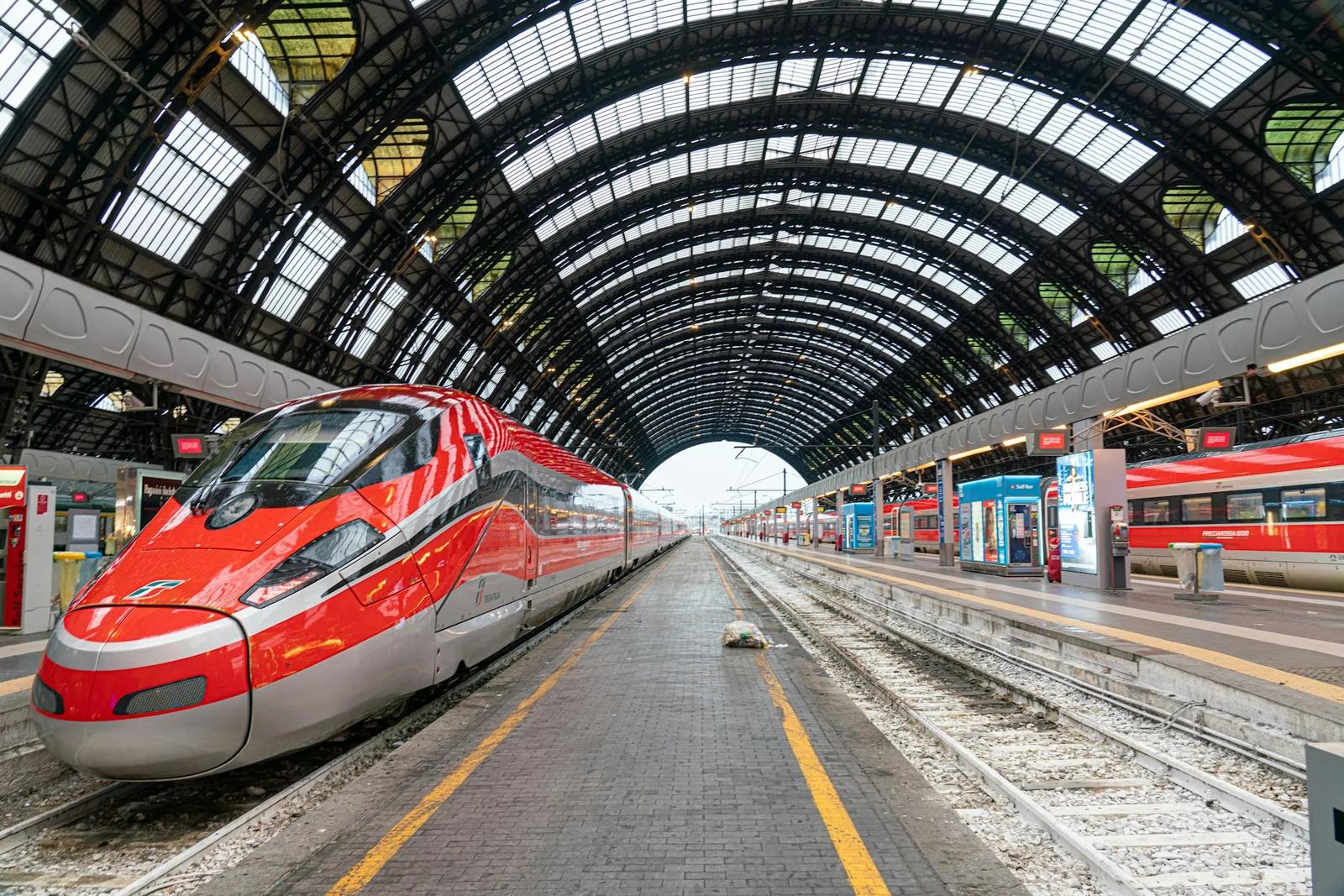
Rail held up better on paper. Renfe had to keep at least 73% of AVE and long-distance services running. Ouigo planned 18 of its 26 trains. Local transport in Madrid and Barcelona, including metro, buses and airport transfers, ran reduced.
And it doesn't end tonight. The train drivers' union SEMAF already struck on November 10 and has three partial stoppages on November 12, with at least 72% of AVE and long-distance trains guaranteed and around 65% of regional services. More rail action is planned for November 17. So the "one-day strike" is really a messy week.
There's also a business events problem. Reporting ahead of the strike counted at least 12 major business events, with more than 100,000 expected attendees, overlapping with it. If one of those was in your city, your group block just learned how fragile it is.
Why this one is different
Spain has had plenty of transport strikes. Air traffic controllers, ground handlers, Ryanair crews, you name it. Hotels have a muscle memory for those. Hold the room, waive the no-show, move on.
This one isn't a transport dispute that happens to touch travel. It's a cost-of-living revolt, and housing sits at the center of it. Unions claimed 90% participation in the car industry and at the ports of Algeciras and Valencia in the early shifts. Those are union figures, so treat them with care, but nobody disputes the scale. There were reports of police charging picket lines in Madrid.
Here's the uncomfortable bit for our industry. Rents in Spain's tourist cities are a big part of why people walked out today, and tourism is one of the reasons those rents are so high. Hotel workers, cleaners, kitchen staff and front desk teams are exactly the people being priced out of the neighborhoods they serve. Hotels and restaurants were flagged as likely to run with reduced staff today depending on how many joined in.
So the strike isn't only a story about your guests. It's a story about your team. If your night porter commutes 70 minutes because they can't afford to live closer, today was a preview of the staffing reality you're going to face long after the planes are flying normally.
What to do tonight and tomorrow
Let's keep this practical, because your arrivals list for Thursday is already a mess.
Assume tomorrow's arrivals are scrambled. Anyone booked on a cancelled domestic flight today got pushed onto Thursday or Friday. Expect late arrivals, guests who extend by a night because they missed their way home, and a pile of "can I check in at 1am" messages. Look at Thursday's list by origin city and message the domestic ones before they message you.
Waive the no-shows from today. Not because it's nice, but because charging a guest whose flight was protected at 32% is how you earn a review that lives forever. Put a note on each reservation so nobody in accounts reverses the waiver next week.
Don't touch your rates. One-day strikes don't justify panic discounts, and surging on stranded travelers is a bad look in a week when the whole country is arguing about affordability. Hold.
Check your staffing for November 12 and 17. Rail stoppages hit your staff commute before they hit your guests. Ask your team now who relies on Cercanías or regional trains, and build the rota around that. A front desk that opens 40 minutes late on Thursday morning costs you more than any cancelled booking.
Talk to your group clients. If you're hosting any of those business events, call the organizer today, not Monday. Offer flexible attrition on the rooms that didn't show. You want to be the hotel they rebook with next year.
The bigger lesson nobody wants to hear
Operators love to say staffing is the hardest problem in hospitality. Then they treat housing as somebody else's issue. It isn't. If your staff can't live within reach of the hotel, you will keep losing them, paying more to replace them, and running short on the exact days that matter.
Some hotel groups in Spain already offer staff housing or transport allowances. Most independents don't, and they assume they can't afford to. I'd argue they can't afford not to. A shuttle for the early shift, a housing stipend for key roles, or a partnership with a local landlord costs less than a revolving door of new hires.
Today's strike will be gone from the news by the weekend. The election on November 29 might change the politics around rent, or it might not. Either way, the people who make your hotel work just told the whole country what they're struggling with.
The smart operators will listen. The rest will just check the flight board and hope next time is shorter.