Stop Building New Hotels and Call It 'Sustainable Design'
The hotel industry builds approximately 200,000 new rooms globally every year. Each one requires concrete, steel, glass, aluminum, copper, plastics, and dozens of other materials whose extraction, manufacturing, and transportation generate enormous carbon emissions before a single guest checks in. Then the industry puts a LEED plaque on the lobby wall and calls it sustainable design. This is absurd. The greenest hotel is the one you did not build. And the second greenest is the one you made from a building that already exists.
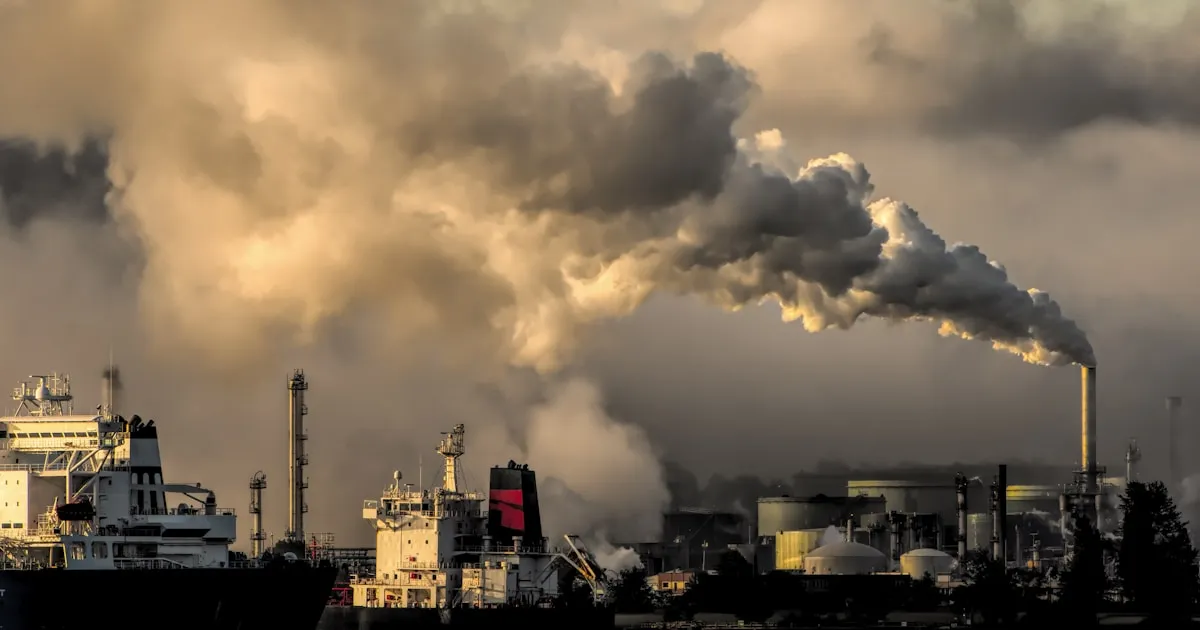
Embodied carbon - the emissions generated during the construction of a building, as opposed to the operational emissions during its use - accounts for roughly 11% of global greenhouse gas emissions. For a new hotel, embodied carbon typically represents 30 to 50% of the building's total lifecycle emissions. No amount of efficient operations, renewable energy, or towel reuse will ever recapture that upfront carbon debt.
Adaptive reuse - converting an existing building into a hotel - eliminates 50 to 75% of embodied carbon compared to demolition and new construction. The structure is already there. The foundation, the columns, the floor slabs, the core - all of that embedded carbon is preserved rather than replicated. Yet the industry's default development model remains: demolish, build new, certify green.
The Embodied Carbon Blind Spot
The hospitality industry's sustainability conversation is almost entirely focused on operational carbon - the emissions from running a hotel once it is open. Energy efficiency, renewable energy, waste reduction, water conservation. These matter. But they represent only part of the picture, and the industry's fixation on operational metrics has created a massive blind spot around embodied carbon.
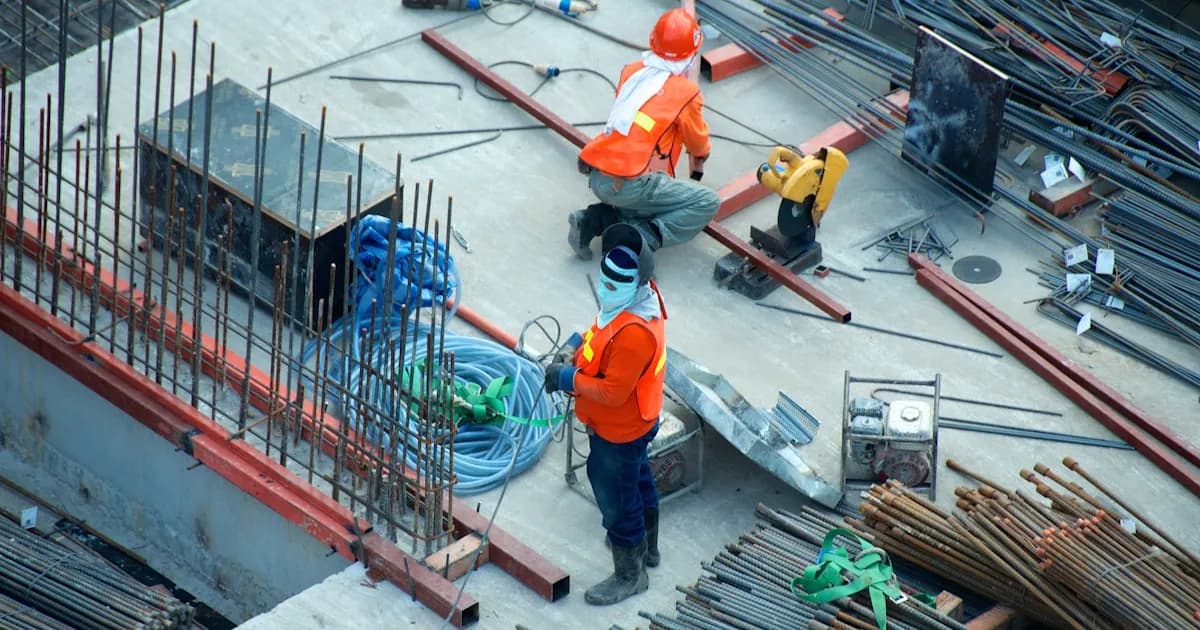
Consider a new-build 150-room hotel in a European city center. The construction will generate approximately 3,000 to 5,000 tonnes of CO2 equivalent in embodied carbon. The steel alone - typically 200 to 400 tonnes for a building of this size - carries a carbon intensity of roughly 1.8 tonnes of CO2 per tonne of steel produced. Concrete contributes another 800 to 1,500 tonnes of CO2. Then add aluminum, glass, copper wiring, PVC piping, insulation materials, interior finishes, and FF&E.
That 3,000 to 5,000 tonnes of embodied carbon is emitted before the hotel serves its first breakfast. If the same hotel operates for 50 years and achieves best-in-class energy performance, its total operational emissions over that entire period might be 8,000 to 12,000 tonnes. The construction phase - a single event - represents 25 to 40% of the building's lifetime emissions.
Now compare that to an adaptive reuse project using an existing office building, warehouse, or commercial structure. The structure stays. The foundation stays. The floor slabs stay. The embodied carbon of those elements - which represent 60 to 80% of a building's total embodied carbon - is already spent. The reuse project adds new MEP systems, interior fit-out, facade upgrades, and accessibility improvements. Total embodied carbon: 1,000 to 2,000 tonnes. A reduction of 50 to 75%.
You cannot offset your way out of 4,000 tonnes of construction emissions. You cannot efficiency your way back to zero. But you can avoid most of it by using a building that already exists.
The Best Adaptive Reuse Hotels Prove the Model
The evidence that adaptive reuse produces exceptional hospitality products is overwhelming. Some of the most celebrated hotels in the world are conversions:
The Hoxton chain has built its brand almost entirely on adaptive reuse - converting former office buildings, warehouses, and mixed-use properties into hotels that consistently outperform their markets on RevPAR. Their approach is not just environmentally defensible; it produces distinctive properties with character that new builds cannot replicate.
25hours Hotels specializes in converting unusual existing buildings - former post offices, office towers, shipping warehouses - into hotels whose quirky, story-rich environments drive social media engagement and premium positioning. The buildings' original character becomes the brand.
Warehouse Hotel in Singapore, a converted 1895 godown, demonstrates how industrial heritage creates an aesthetic that no new construction can authentically reproduce. The original timber beams, brick walls, and industrial proportions generate the kind of atmosphere that guests pay premium rates to experience.
These are not niche projects. They are commercially successful, critically acclaimed properties that prove adaptive reuse is not a compromise - it is often a competitive advantage.
Why the Industry Defaults to New Construction
If adaptive reuse is cheaper in embodied carbon, often cheaper in total development cost, and produces commercially successful hotels, why does the industry keep defaulting to new construction?
Developer incentives favor new builds. Development fees, which are how many hotel companies and their development partners earn money, are typically calculated as a percentage of total project cost. A EUR 40 million new build generates higher fees than a EUR 25 million adaptive reuse project. The incentive structure rewards spending more, not spending wisely.
Brand standards assume blank canvases. Major hotel brands specify exact room dimensions, corridor widths, lobby configurations, and back-of-house layouts. Existing buildings rarely conform perfectly to these specifications. Rather than adapting standards to existing buildings, brands reject viable conversion candidates because a corridor is 10cm too narrow or a ceiling is 15cm too low.
Lenders prefer conventional projects. Bank underwriting models are calibrated for new-build hotel development. Adaptive reuse projects, with their inherent unknowns - structural surprises, remediation requirements, heritage compliance costs - are perceived as higher risk. This perception persists despite evidence that adaptive reuse projects experience comparable or lower cost overruns when properly surveyed.
Planning and entitlement complexity. Converting an existing building often requires navigating change-of-use permissions, heritage approvals, building code compliance for a new use category, and neighborhood opposition. New construction on land already zoned for hotel use can be simpler from an entitlement perspective, even if it is more expensive and environmentally destructive.
The Financial Case Is Stronger Than You Think
Adaptive reuse projects in mature markets consistently demonstrate compelling financial performance:
Lower total development costs. In European city centers, adaptive reuse hotel projects typically cost 15 to 30% less per key than comparable new builds. The savings come from retaining existing structure, shorter construction timelines (12 to 18 months versus 24 to 36 for new builds), and reduced demolition and foundation costs.
Faster time to revenue. A 12-month renovation timeline versus a 30-month new construction timeline means 18 months of additional revenue generation. At a stabilized RevPAR of EUR 120, that is approximately EUR 3.9 million in revenue for a 150-room hotel that would have been forfeited waiting for new construction to complete.
Higher ADR potential. Adaptive reuse properties with distinctive architectural character consistently achieve ADR premiums of 5 to 15% over standardized new builds in the same market. Guests pay more for character, history, and authenticity - none of which can be manufactured in a new-build spec hotel.
Tax incentives and grants. Many jurisdictions offer tax credits, grants, or favorable treatment for heritage building rehabilitation and adaptive reuse. These incentives can reduce effective development costs by an additional 5 to 15%.
What Needs to Change
The shift toward adaptive reuse as the default development model requires structural changes across the industry:
Brand standards must become flexible. Hotel companies need to develop "conversion-ready" brand standards that accommodate the dimensional realities of existing buildings. A 10cm variance in corridor width does not affect guest experience. It should not kill a project.
Embodied carbon must enter the development calculus. Every hotel development proposal should include an embodied carbon assessment alongside the financial pro forma. When ownership groups and investors can see the carbon cost of new construction versus adaptive reuse, the conversation changes.
Lenders need adaptive reuse underwriting models. The perceived risk premium for conversion projects is not supported by portfolio-level performance data. Lenders who develop specialized adaptive reuse underwriting will access deal flow that conventional lenders reject.
Municipalities should incentivize conversion over construction. Expedited permitting for adaptive reuse, density bonuses for converting commercial buildings to hotels, and carbon-adjusted impact fees that penalize high-embodied-carbon new construction would tilt the playing field toward reuse.
Developers should look at the existing building stock first. Before commissioning a new-build feasibility study, the first question should be: is there an existing building in this market that could become a hotel? The answer is almost always yes. Every city has underused office buildings, vacant retail space, decommissioned industrial buildings, and surplus institutional properties that could become exceptional hotels.
The Most Sustainable Square Meter Is the One That Already Exists
The hotel industry cannot decarbonize by making new buildings slightly more efficient. The math does not work. The embodied carbon of new construction is too large, too front-loaded, and too irreversible to be offset by incremental operational improvements.
The industry can decarbonize by building less. By reusing more. By recognizing that the built environment already contains an enormous inventory of structures that, with intelligent conversion, can become hotels that are environmentally superior, commercially competitive, and architecturally distinctive.
Every time a hotel company breaks ground on a new construction project in a market where a viable adaptive reuse candidate exists, it is choosing the environmentally worse option. And no amount of LEED certification, solar panels, or marketing language about sustainable design will change that fundamental fact.
The greenest hotel is the one you did not build. Start there.