Super Typhoon Bavi Cut Guam Off From the World. Most Resorts Will Waste the Next 72 Hours.
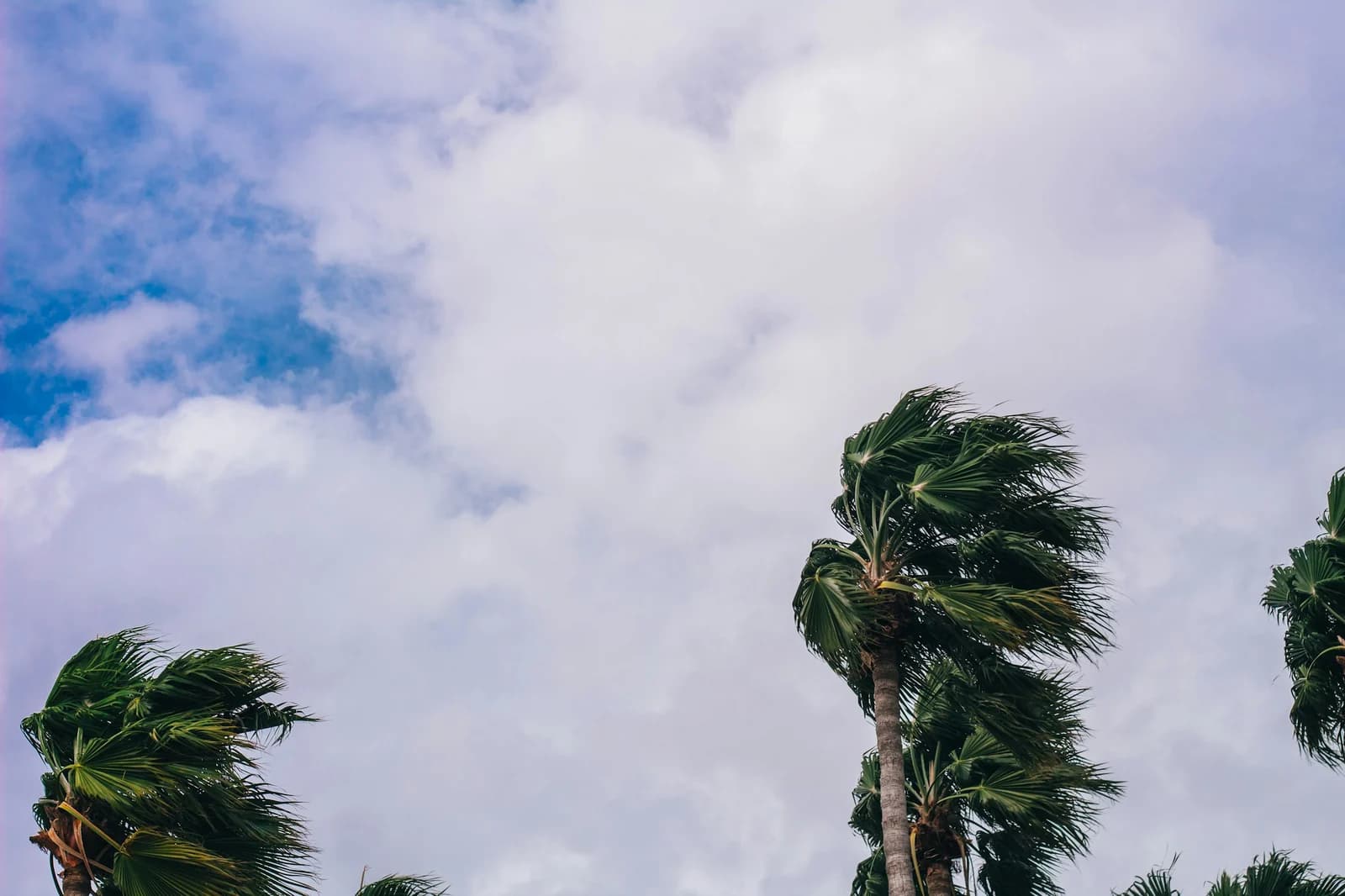
Super Typhoon Bavi put the eye of a Category 5 storm directly over Rota on Monday morning, with winds north of 150 mph and gusts near 215. Guam, Tinian and Saipan took the bands. And right now, every tourist who was supposed to fly home is instead sitting in your lobby, your ballroom, or a public shelter down the road that's already turning people away.
Here's the part most operators get wrong: they treat this as a weather event that ends when the sky clears. It isn't. The storm is the easy 12 hours. The next 72 are where hotels either build a decade of reputation or torch it, and Guam is about to sort its properties into those two piles.
The air bridge is gone, and that changes what your hotel is
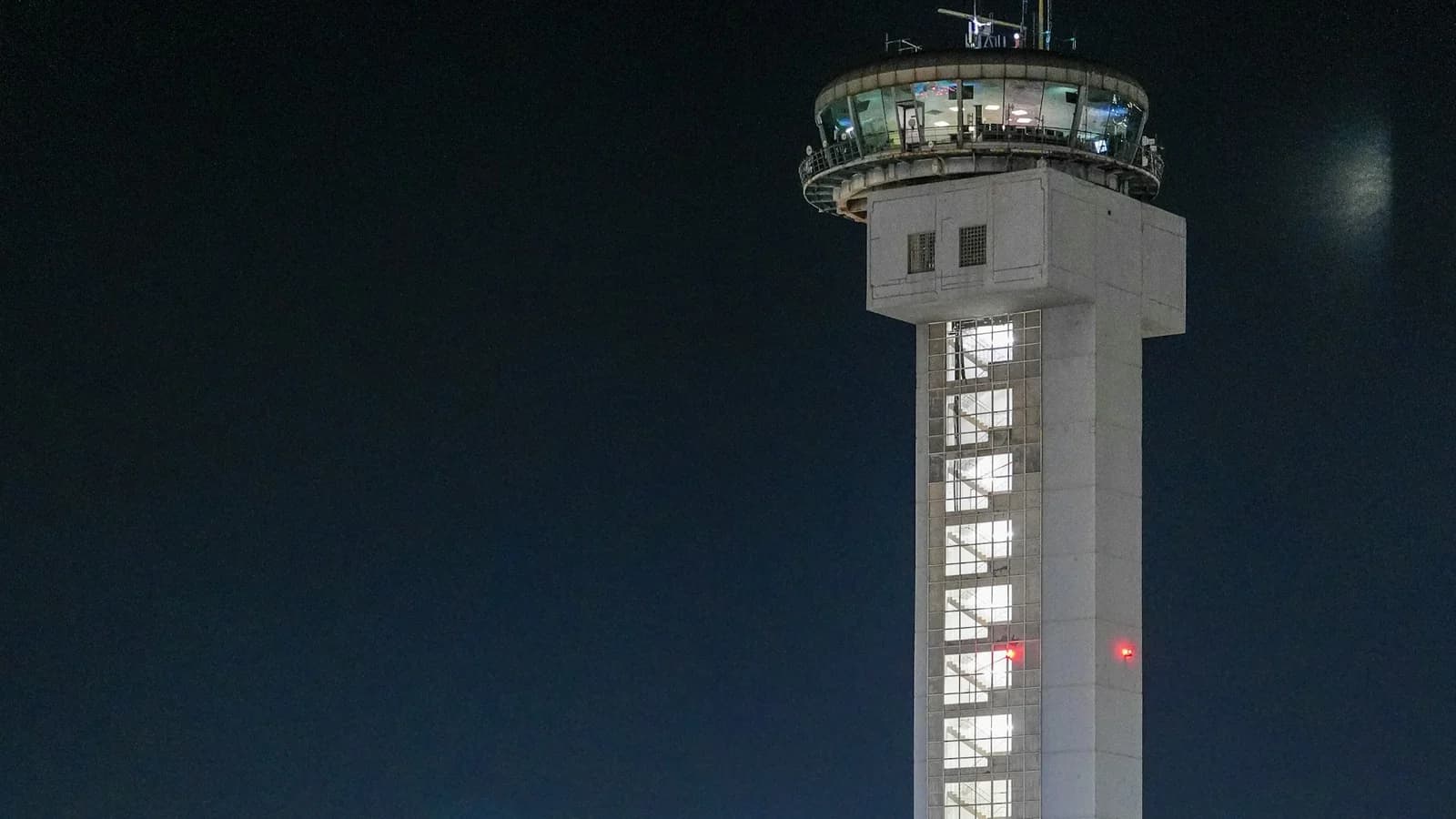
Guam pulls close to 1.5 million visitors a year, and almost all of them arrive by air from Japan and South Korea. That's the whole model. There is no drive market bailing you out, no nearby feeder city. When A.B. Won Pat shreds its schedule and the Port Authority of Guam suspends operations, the island doesn't slow down. It seals shut.
So the guests you have are the guests you're keeping. For days, not hours. United, Korean Air, Air Seoul, JAL and Jin Air have already been canceling and rolling flights, and nobody is flying a widebody into a field that's still clearing debris and running on generators. Your occupancy isn't a number anymore. It's a fixed population you're now responsible for feeding, watering and calming down.
The mental shift that separates good operators from bad ones this week: your resort stopped being a leisure product the moment the port closed. It's now a shelter with a brand on it. Act like it.
Do not touch your rates. Either direction.
Two instincts are about to cost hotels money and trust in equal measure, and they pull in opposite directions.
The first is the discount reflex. Inbound demand just died, so the tempting move is to slash rate and chase whatever walk-in business exists. There is none. Nobody is arriving. Cutting rate on a captive, already-booked house does nothing but train your existing guests to demand the lower number at checkout. Hold.
The second instinct is worse, and it's the one that ends up on the news. Extension gouging. Your guests are stuck. They need three, four, five more nights they didn't book. The property that quietly reprices those forced extensions at rack, or worse, at a "demand" premium because the shelters are full, is writing its own viral post. Screenshots of a hotel charging trapped tourists a surge rate during a Category 5 travel outlast the storm by years. In a market that lives and dies on Japanese and Korean repeat visitation and word of mouth, that's not a pricing decision. It's a demolition.
Freeze the rate the guest already had. Extend at that number. Announce that you're doing it, in Japanese and Korean, on every channel you have. That single move buys you more loyalty than a year of marketing spend, and it costs you nothing you weren't already going to eat.
The stuff that actually matters has nothing to do with revenue
Power is the whole game now. Saipan and Tinian still had people living without electricity two and a half months after Typhoon Sinlaku hammered them in the spring. Bavi just landed on the same battered grid. If your generator fuel plan is "we have a tank," you're already behind. Count the hours of runway you actually have at full load, then find the number of hours until resupply is realistic, and if there's a gap, you ration now, not when the lights flicker.
Water, the same. Comms, the same. Your guests can't reach their airlines, can't read English weather alerts, and half of them are watching their phones die. A hotel that posts one clear update every few hours, in the languages its guests actually speak, becomes the calmest building on the island. A hotel that goes silent becomes a mob at the front desk by nightfall.
And staff. The housekeeper who can't get home because the roads are down is now sleeping in a guest room and working a double. That's not a scheduling problem to solve later. That's the reason your hotel functions at all this week. Feed your team first, house them, pay the overtime without arguing, because a front desk that walks out mid-crisis is how a bad week becomes a catastrophic one.
Why this keeps happening to unprepared hotels
Bavi is the third Category 5 of the season, and it's early July. Sinlaku already proved the Marianas grid is fragile. None of this is a surprise, which is exactly why the hotels that get caught flat have no excuse.
The properties that will come through this looking like heroes didn't improvise. They had the fuel math done, the multilingual comms templates written, the extension policy decided, and the staff-lodging plan agreed long before a name showed up on a forecast map. The ones that will spend the next month doing damage control are the ones treating a predictable, seasonal, repeat threat like a freak accident.
If you operate anywhere the weather can cut the air bridge, and that's most island and coastal resort markets, the lesson from Guam this week is blunt. Your crisis plan isn't a document you write after the storm. It's the reason you still have guests who'll book you again after it.
The airport will reopen. The flights will resume. What your guests will remember is whether you held the rate, kept the lights on, and told them what was happening in a language they understood. Get those three right and Bavi becomes the best marketing you never paid for. Get them wrong and no discount next season buys that back.
Hold rate. Keep the power on. Talk to your guests. Everything else is noise.