Taiwan Just Cancelled 600 Flights. Your Overbooked Weekend Is Now a Guest-Care Problem
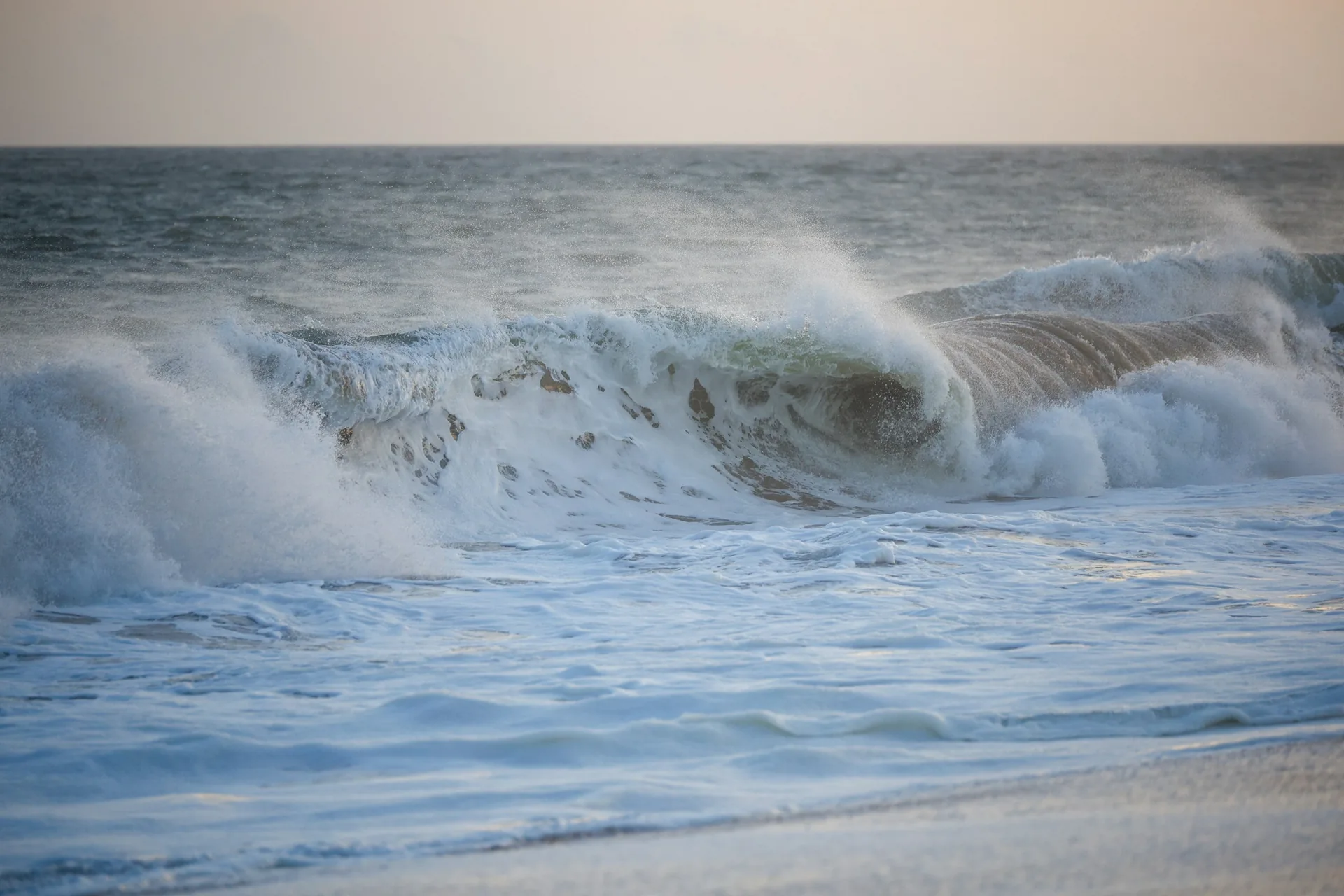
Typhoon Champi isn't going to hit Taiwan, and the island shut down anyway. That is the part most hotel operators still don't get: you don't need a landfall to lose a weekend.
On Friday, Taiwan's transport ministry cancelled every one of the 262 domestic flights on the schedule plus more than 350 international ones. Financial markets, schools and offices closed across most of the island. The storm was sitting about 330 kilometres east of the southern tip, with gusts near 191 km/h, and it will brush the northeast coast before curling toward China and southern Japan. Effects are expected to last close to two days.
If you run a hotel in Taipei, Hualien, Kaohsiung or Okinawa, this is your weekend. If you run one anywhere else, it is your rehearsal.
A near miss closes more than a direct hit
Look at what stopped. Taiwan Railway scrapped all express trains on its western and eastern trunk lines. Non-reserved services on several coastal and northern lines are fully suspended. Ferries out of Kaohsiung and Pingtung are off. Yushan National Park barred entry before midnight on Wednesday, and Alishan, Taipingshan, Hehuanshan and the Kenting forest areas are closed.
That is the entire tourism product of the island, turned off by a storm that never touched it. The high-speed rail is running its normal schedule, which sounds like good news until you picture every stranded traveller trying to cram onto it at once.
Guests aren't stuck because the weather is dangerous in your lobby. They're stuck because everything around your lobby stopped. Your hotel can be bone dry with the lights on and still be a hotel full of people who can't leave and people who can't arrive.
The weak link is your cancellation page
Here is my take. Most independent hotels have a cancellation policy written by someone in 2019, designed for no-shows and bad moods, and never touched since. It says nothing about typhoons, airport closures or suspended rail lines.
So what happens on a day like today? A guest in Osaka sees their flight cancelled. They write to you at 6 a.m. asking for a refund on a non-refundable rate. You have no rule, so the front desk makes one up. Another guest on the same booking channel gets a different answer an hour later. By Monday you have a stack of disputes and a handful of one-star reviews that say "heartless."
Operators who keep their reputation intact on these days decided the answer weeks ago. Credit first, free date change second, refund only if the guest can't rebook inside a set window. One policy, written down, sent once to everybody, not negotiated one email at a time.
Okinawa is next, and so is everything downstream
China Airlines and Tigerair Taiwan have already cancelled or rescheduled flights to and from Okinawa. Flight trackers show dozens of cancellations at Naha, Miyako and Ishigaki, plus long delay lists at Tokyo's airports and in mainland China, with the storm still moving.
If you take reservations in Okinawa, southern Japan or on the Chinese coast, treat Taiwan's Friday as your Saturday and Sunday. The first 24 hours are cancellations. The next 48 are the rebooking wave, when every displaced traveller hits the same remaining seats and the same remaining rooms.
That wave is where revenue is made or lost. Rooms that look sold may belong to guests who can't reach you. Rooms that look empty can be resold to people already on the island who just lost their onward flight.
What to do before lunch
First, check your arrivals against the airline status for today, tomorrow and Sunday. Anyone whose flight is cancelled isn't coming, so stop holding the room and stop counting them as occupancy.
Second, open a stranded-guest rate with a clear end date and a cap, and put it on your own site and phone line. Guests already in house who can't fly out are your best buyers right now, and they will pay a fair price for certainty. They will not forgive being gouged.
Third, send one message to every incoming guest. Say what you will do (credit, date change, refund in that order), say it plainly and say it today. Silence is what turns a weather event into a review problem.
Fourth, walk the building. Water, hot water, lifts, generator fuel, cold storage, staff who can actually get to work when trains aren't running. Rail suspensions are a staffing story as much as a guest story.
Fifth, pull your listings carefully. If you sell tours to Alishan, Yushan or Kenting, they are closed. Taking those bookings today is selling something you know you can't deliver.
The lesson isn't about typhoons
Typhoon Champi hit Guam hard four days ago, and now it is rearranging travel across half of Asia without even landing. Next month it will be a strike, a volcano, an air traffic control failure or a ground stop. The trigger changes. Your exposure doesn't.
The hotels that look calm during these days are not luckier. They just wrote the page, trained the desk and set the rule while the sky was clear.
So here is a test. If your general manager were unreachable tomorrow morning, could the night shift handle a cancelled-flight refund request using one page, with no phone calls? If the answer is no, today is a good day to write that page.