Virgin Australia's Monday Walkout Is a Rehearsal. Hotels Should Be Planning for December.
Two hours of stoppages on a Monday sounds like a non-event. It isn't, and the hotels that shrug it off are the ones that will be caught flat when this dispute rolls into the Christmas peak.
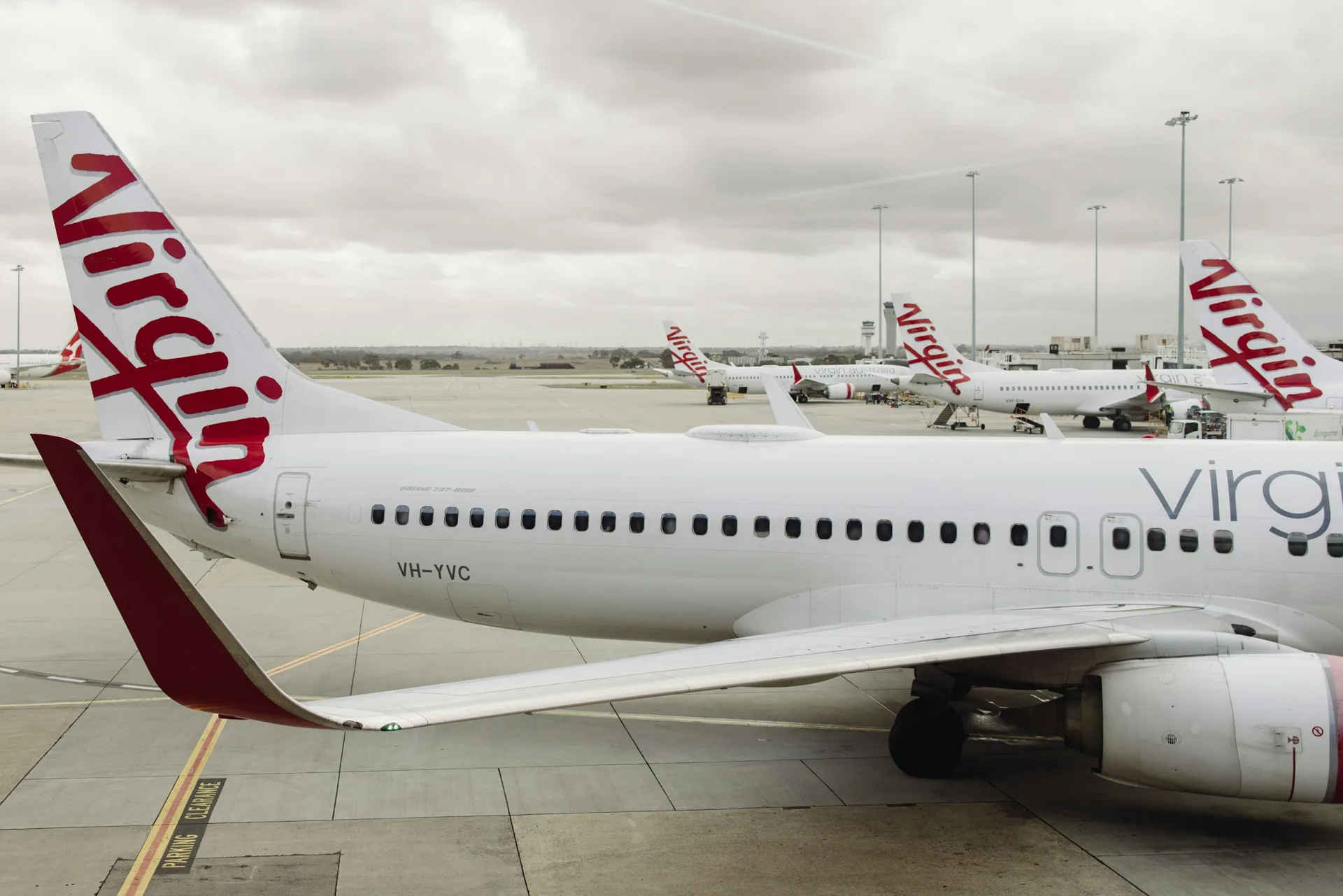
Virgin Australia ground staff started protected industrial action this morning at Sydney, Melbourne, Brisbane and Adelaide. Today's version is mild. Monday's isn't. And while everyone was reading about the ground staff, Virgin's cabin crew quietly voted 98% in favour of their own industrial action.
What's happening, airport by airport
The Australian Services Union is running the ground staff action after Fair Work Commission talks over a new enterprise agreement went nowhere. Members voted for protected action on October 21.
From today, staff at the four airports won't make pre-boarding announcements like boarding calls, gate changes and final calls, though safety and security announcements continue. They're waiving excess baggage, seat change and late fees, and they're skipping lounge check-in. Virgin says it doesn't expect delays or cancellations from today's action, and that's probably right.
Monday, November 16 is different. If there's no deal by then, staff will hold boarding until 15 minutes before scheduled departure, and each airport gets two one-hour stoppages:
| Airport | Morning stoppage | Evening stoppage |
|---|---|---|
| Sydney | 6:30am to 7:30am | 5pm to 6pm |
| Melbourne | 6:30am to 7:30am | 5pm to 6pm |
| Brisbane | 7am to 8am | 4pm to 5pm |
| Adelaide | 5:30am to 6:30am | 5:30pm to 6:30pm |
The ASU has told passengers to expect cancellations and major delays.
Look at those windows again. They sit right on top of the Monday morning business wave and the Monday evening return. On the Sydney to Melbourne corridor that's the busiest hour of the week for the corporate traveller who books your room on a negotiated rate and checks in at 9pm with a laptop bag.
Why this isn't a one-day story
The sticking points aren't small. The union is fighting proposed nine-hour shifts, the pay rate on offer and cuts to days in lieu. ASU says Virgin made a $404 million profit last year and that staff took a wage freeze through COVID. Virgin says it has offered a 17% to 28.9% pay rise over three years plus career progression, and that it has contingencies in place.
Those two positions are not converging by Monday afternoon. Maybe they settle. But the gap between "we offered up to 28.9%" and "you want nine-hour shifts" is the kind that drags.
Then there's the second front. The Transport Workers' Union reported that Virgin cabin crew voted 98% for protected industrial action. Separately, the Fair Work Commission on November 12 granted the TWU a protected action ballot order covering another group of Virgin employees, with voting closing on November 26 and a compulsory conciliation conference ordered alongside it.
Do the calendar maths. A ballot closing on November 26 means any action from that group lands in December, right as Australian school holidays, Christmas travel and the summer leisure peak begin. Nobody can say yet whether that action will happen or what form it takes. But "two unions, one airline, three weeks before peak" is not a situation you wait out.
And remember the market structure. The ACCC said earlier this year that Qantas Group and Virgin together operate nearly 99% of domestic flights. When Virgin wobbles, there's no third carrier soaking up the stranded passengers. Qantas fills up fast and fares jump.
What Monday actually does to your hotel
If you run a hotel in any of the four cities, or anywhere those flights feed into, Monday creates two problems at once.
The first is late and missed arrivals. A guest booked on a 6:45am Virgin flight from Melbourne to Sydney may land at lunchtime, or not until the evening, or not at all. Evening flights out of Brisbane between 4pm and 5pm and out of Sydney or Melbourne between 5pm and 6pm are where you'll see the 11pm arrivals and the outright no-shows.
The second is involuntary stayovers. Sunday night guests who planned to fly out early Monday may need another night, or a very late checkout while they wait for a rebooked afternoon flight.
Here's what we'd do before the weekend, in this order.
Pull Monday's arrivals and Sunday's departures and flag every Virgin passenger. If you capture flight details at booking or via pre-arrival messaging, use them. If you don't, Monday is a good argument for starting.
Send one short message to those guests today. Not a corporate notice. Something like: "Virgin ground staff have announced stoppages on Monday morning and evening. If your flight changes, just reply with your new arrival time and we'll hold the room." That message alone prevents half the no-show arguments.
Suspend no-show penalties for Monday, in writing, before anyone asks. Charging a guest whose flight was cancelled by a strike is legal under most rate terms and a terrible idea anyway. You'll lose the booking, the review and probably the corporate account. Tell the desk now so nobody is improvising at midnight.
Hold some inventory back for Monday night. Stranded travellers book late and they book whatever is close to the airport or the CBD. If you're near Sydney, Melbourne or Brisbane airports, don't sell out Monday at a discount on Friday.
Brief the night audit and the late desk. Late arrivals mean late check-ins. Make sure someone can process a 1am arrival without calling the duty manager.
The bigger mistake to avoid
Most operators will treat this the way they treat a thunderstorm. Deal with it on the day, move on, forget about it. That's the wrong instinct with a labour dispute that has two unions circling one of the country's two big airlines.
The smarter move is to use Monday as a dry run. Watch how many Virgin-dependent guests you actually have, how your comms land, how long rebookings take and whether your no-show policy holds up. Then write that up as a one-page disruption playbook before the TWU ballot closes on November 26.
Because if action does hit in December, it won't be two tidy hours on a Monday. It'll be families arriving for Christmas, wedding blocks, and corporate groups heading home for the year, all at once, with Qantas already full.
Monday is cheap practice. Use it.