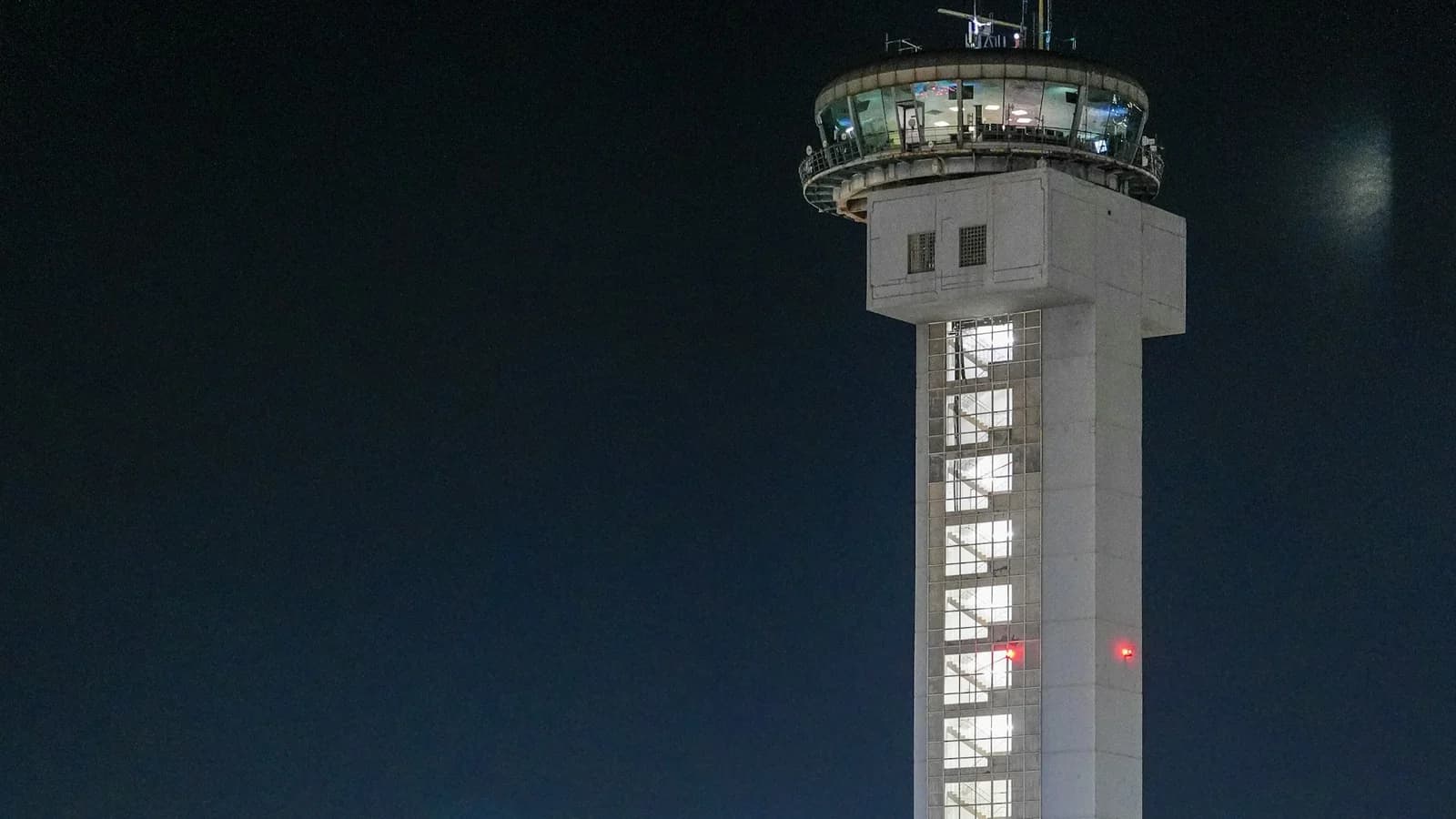
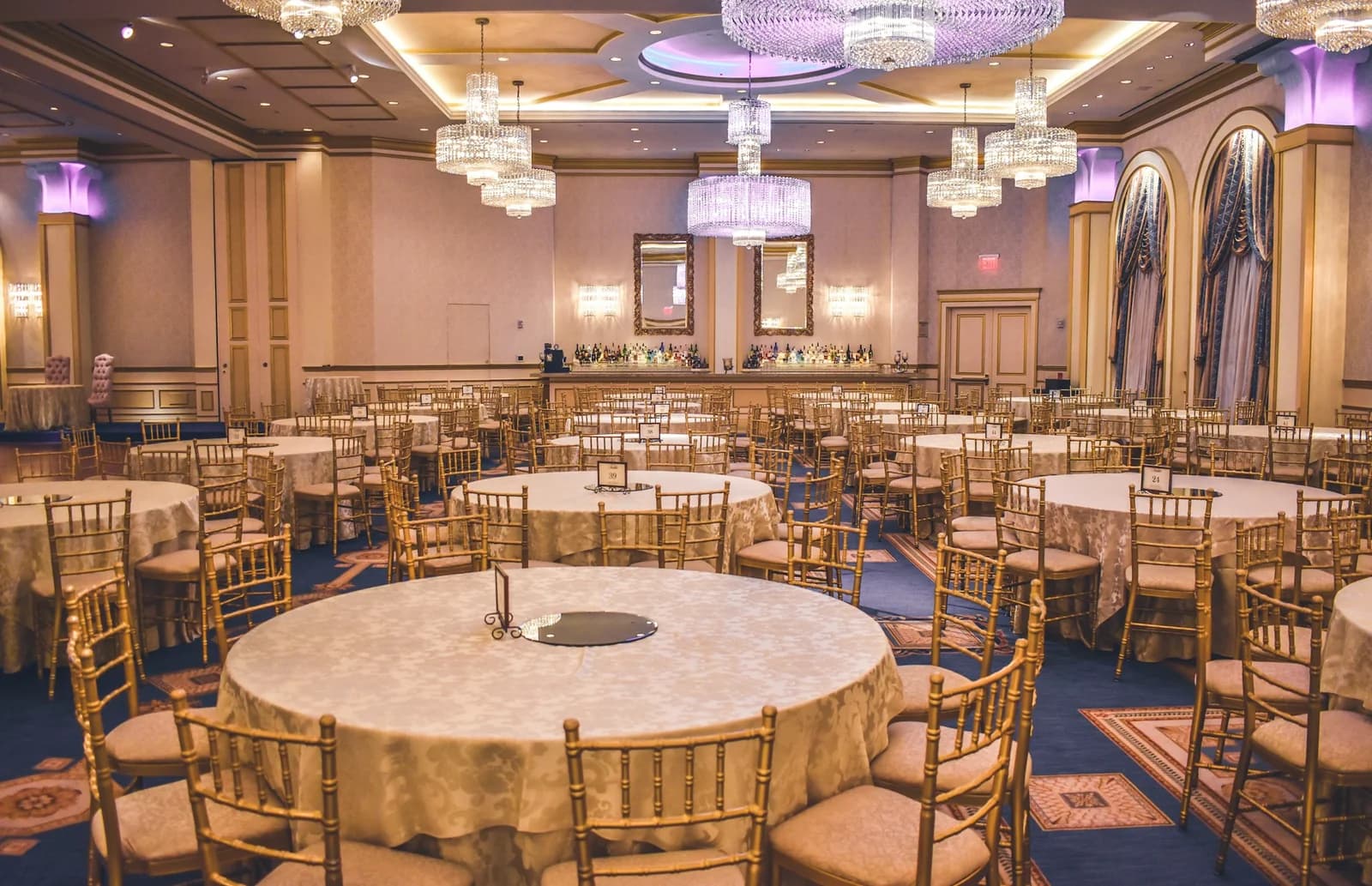
The Washington Hilton Held. Your Hotel Probably Wouldn't Have.
On Saturday night, a 31-year-old armed with a shotgun, a handgun and knives charged a security checkpoint at the Washington Hilton during the White House Correspondents' Dinner. He was trying to reach the ballroom where the President of the United States was speaking. He got further than he should have. One Secret Service officer was shot. The vest saved him.
The Hilton had federal protection, hardened perimeter, magnetometers, vetted catering, dog sweeps, and a multi-agency operations center. It still nearly broke. Now ask yourself the uncomfortable question. If a man like that walked into your hotel during a wedding, a corporate gala, a political fundraiser, or a Bar Mitzvah next Saturday night, what stops him? Be honest.
For most operators, the answer is nothing.
The "active shooter plan" most hotels have is a piece of paper
Walk into the back office of almost any 200-room hotel in Europe or the US and ask to see the active shooter response plan. You will be handed a binder. The binder was last updated when the GM before the GM before the current GM was in the chair. The training was a one-hour video in someone's onboarding. Half the night staff hasn't seen it. The bell desk has never run a drill.
This is the standard. It's not a worst case. It's the median.
The reason it persists is structural. Hotel security is a cost line, not a revenue line. The CFO doesn't get a bonus for spending money on something that didn't happen. So you get cameras nobody monitors, magnetometers nobody owns, and a "security manager" whose actual job is lost-and-found and cutting key cards. When something goes wrong, the playbook is: call 911, lock yourself in a guest room, hope.
That worked when the threat profile was a drunk guy in the lobby. It does not work for what happened on Saturday.
Why this story matters even if you're nowhere near DC
The instinct will be to file Saturday under "Washington problem" or "Trump problem" and move on. Don't. Three reasons.
First, every event hotel is a target now, not just the obvious ones. The Hilton was obvious. Your ballroom isn't, until the wrong group books it. Wedding parties for high-net-worth families. Investor conferences. Religious gatherings. Visiting executives from companies in the news. The threat surface widened years ago and most operators didn't update.
Second, the perpetrator profile has shifted. The suspect, according to public reporting so far, is a 31-year-old teacher with no criminal record who self-radicalized online and called himself a "friendly federal assassin" in his own writings. There is no profile to pattern-match against on the way in. Your front-of-house team can't sniff this out at check-in.
Third, your guests are watching. Anyone who saw the footage from Saturday is going to ask harder questions about security at events they attend this summer. Hotels that can answer those questions confidently will win the booking. Hotels that fumble it will lose it.
What "doing something about it" actually looks like
The point of this article is not to scare you. The point is to push you to spend a Tuesday morning fixing things you could have fixed a year ago.
Run an honest table-top exercise this month. Not a fire drill. A scenario. Your sales team has booked a high-profile event for next month. A man in a hoodie walks past the bell desk at 7:42 PM with a duffel bag. What happens in the next ninety seconds? Walk through it. Time it. Identify every gap. Most hotels discover that nobody knows who has authority to lock the front door. Fix that.
Get your camera coverage audited by someone who isn't your camera vendor. Almost every hotel I've ever consulted on has dead zones the security manager doesn't know about. Pay an outside firm $1,500 for a three-hour walkthrough. It's the best money you'll spend this year.
Build a relationship with local police before you need it. Most departments have a dedicated officer for hospitality liaison. Get coffee with them. Give them the floor plans. Have them walk the property. When something happens at 11:47 PM, you want them already knowing the building.
Write a real protocol for high-risk bookings. When a political fundraiser, a celebrity wedding, or a controversial speaker books your space, who in the org is the first call? Who notifies the GM? At what point do you bring in private security? At what point do you turn the booking down? If you don't have answers to these questions, you're outsourcing the decision to the front desk supervisor, which means the answer will be "yes, take the money."
Train your night staff like adults. The night auditor and the overnight bell stand are the most likely first responders to anything serious. They almost never get the same training as the day team. Fix that. They should know how to lock down the elevators, where the master shutoff for the PA system is, and the script for a public announcement that doesn't cause a stampede.
Buy the insurance you've been putting off. Active assailant coverage is now widely available, including business interruption and crisis response. It is not expensive relative to what you'd lose if something happened. If your broker hasn't proactively brought this up, you have the wrong broker.
The boring truth
Hotels won the right to host the world's biggest gatherings because they sold themselves as safe, controlled environments. That's a brand promise, not a marketing line. When a hotel becomes the site of an event like Saturday's, the brand promise gets tested in front of the entire world.
The Washington Hilton will be fine. It has a brand and a security operation deep enough to absorb the hit. Your independent four-star down the street from a convention center does not. If something happened there next month, the property would be on TripAdvisor as "the hotel where it happened" forever.
You don't get the option to opt out of this anymore. You either spend the Tuesday morning, or you live with the risk and hope nobody books your ballroom for the wrong night.
Pick one.