France's Rail Strike Is a Revenue Event. Most Hotels Will Sleep Through It
A guest who physically cannot leave your hotel is the easiest extra night you will sell this month. France is about to hand French operators thousands of them on Wednesday, and most of them are going to treat it as a customer-service headache instead of the revenue event it actually is.
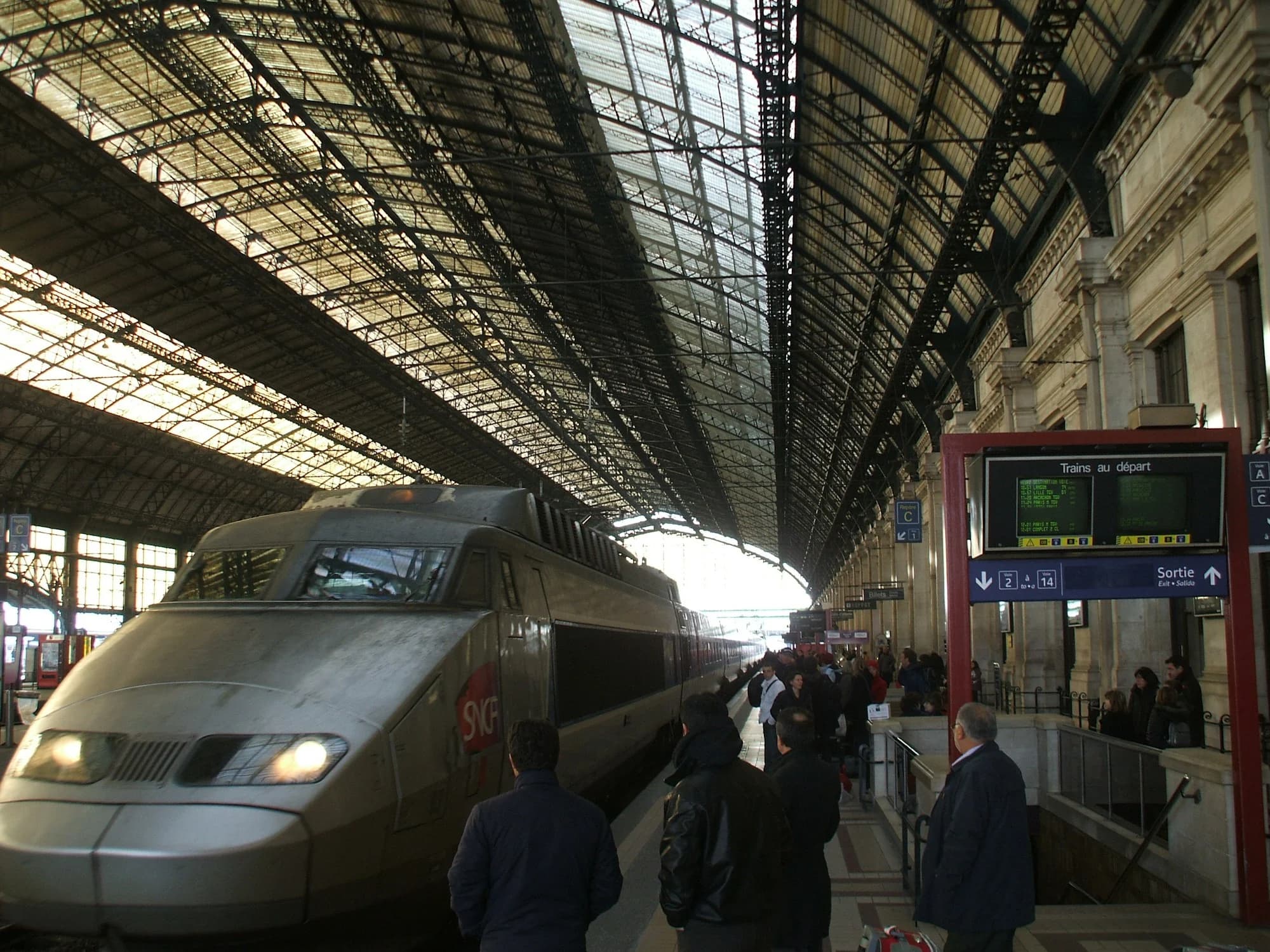
Here is the setup. For the first time since late 2024, all four of SNCF's big unions have called a joint national rail strike. CGT-Cheminots, UNSA-Ferroviaire, SUD-Rail and CFDT-Cheminots are out together. The walkout runs from 7pm Tuesday the 9th until 6am Thursday the 11th, which means Wednesday is the day the network seizes. SNCF's own forecast has roughly one in three TGVs cancelled, Intercités down to about half service, and TER, Transilien and the RER chopped hard across the regions and the Paris commuter belt. Eurostar has already been pulling Paris trains across the strike window, and Lyria to Switzerland, the lines into Germany, Italy and Spain are all exposed.
This is not a regional air traffic wobble that clears by lunchtime. It is the spine of French domestic travel switching off for a day, right at the front edge of the summer season.
Stranded is not a problem. Stranded is inventory.
Walk your own building Tuesday night. A big slice of the people sleeping there are checking out Wednesday morning, heading for the Gare de Lyon or Montparnasse or the local TER, and going home. On Wednesday a third of the high-speed trains they booked do not run. Half the Intercités do not run. The regional services that feed the big stations are a lottery. And the definitive list of which trains survive only publishes at 5pm Tuesday on SNCF Connect, so most of your guests will not even know they are stuck until the night before.
So they are staying another night whether they planned to or not. The only open question is where they sleep and who gets paid for it.
Here is the depressing default. The guest opens Booking.com on their phone, searches tonight's availability, and rebooks a room two floors down from the one they just vacated, at a worse rate, costing you 15 to 18% in commission. You will have sold the same guest the same bed twice and paid an OTA for the privilege of doing it badly. That is the real failure. It is not that the revenue disappears. It is that a captive, already-on-property guest leaks back out through the most expensive channel you have.
The move is a phone call, and it happens tonight
Tuesday evening, before the strike bites, pull your Wednesday departures list. Every guest with a checkout, especially anyone you know is heading for a station. Then call them. Not a mass email they will scroll past, an actual call or a WhatsApp from the front desk.
The script writes itself. "You have probably seen there is a national rail strike Wednesday. A third of the TGVs are cancelled and the regional trains are badly hit. We would like to hold your room for an extra night so you are not stuck at reception at 7am with nowhere to go. Want me to lock it in?" You have just turned a checkout into a confirmed, direct, commission-free extension, and you have done it before the guest even realised they had a problem.
Price it like an adult. This is where operators split into two camps and both lose. The gougers see captive demand and shove the extension rate up 40%. The guest pays, then writes a one-star review calling you a vulture who fleeced them during a strike, and tells everyone back home. The panickers do the reverse and discount because an empty Wednesday scares them. Both are wrong. Hold your normal rate, maybe a touch under your Wednesday walk-in price as a goodwill gesture. You want the extension and the goodwill, because the goodwill is what kills the bad review and earns the rebooking next year.
Stop selling tonight's rooms to people who can't reach you
The other half of this is your arrivals. A chunk of Wednesday's check-ins were coming in by train. Some of those guests are now not coming at all, and a few will no-show without telling you because they assume the strike covers them. If you are sitting on a near-full Wednesday and holding inventory for inbound rail arrivals, you are holding rooms for people who cannot physically get to you.
Work the arrivals list the same way you work departures. Confirm who is coming by car or plane and who is on a train. For the rail arrivals, a quick message offering a free date change does two things: it saves the guest a wasted trip and it frees the room so you can resell it tonight to someone who is actually stuck in your city. A cancelled train is the airline or railway's problem to refund, but the empty bed is yours to fill, and you would rather fill it with a guest who is here than protect it for one who is stranded 400km away.
Brief the desk before the questions start
Your front desk is about to field a wall of the same questions, and a team that knows the answers looks like a hotel worth staying in. Make sure they know the basics before Wednesday morning. The definitive timetable lands at 5pm Tuesday on SNCF Connect, so point guests there rather than guessing. A national strike counts as extraordinary circumstances, so airlines and SNCF owe affected passengers a rebooking or a full refund, including on non-refundable fares. Know which local services are running on minimum guarantee and have a couple of vetted taxi or car-hire numbers ready, because half your guests will ask how else they can get to the airport.
None of this is complicated. What it is, is time-sensitive. Every one of these moves works on Tuesday night and falls apart by Wednesday morning, because by then the guest has already rebooked somewhere else and the room you could have resold is sitting empty.
The strike is not the event. The strike is just weather. The event is whether you picked up the phone before it hit.