
Dubai Just Stopped. If You Don't Run a Gulf Hotel, You're Still Going to Eat It.
A wall of sand rolled into Dubai before dawn and the world's biggest connecting hub effectively shut its eyes. By 8am Gulf time, 51 flights were cancelled and over 200 delayed across the UAE, Saudi Arabia, Oman, Kuwait, Qatar and Bahrain. Most hotel operators outside the region read that headline as a Gulf story. They're wrong.
This is a Sydney problem. A London problem. A Bangkok problem. A JFK problem. And the operators who don't see it that way are about to misprice the next three days.
What actually happened
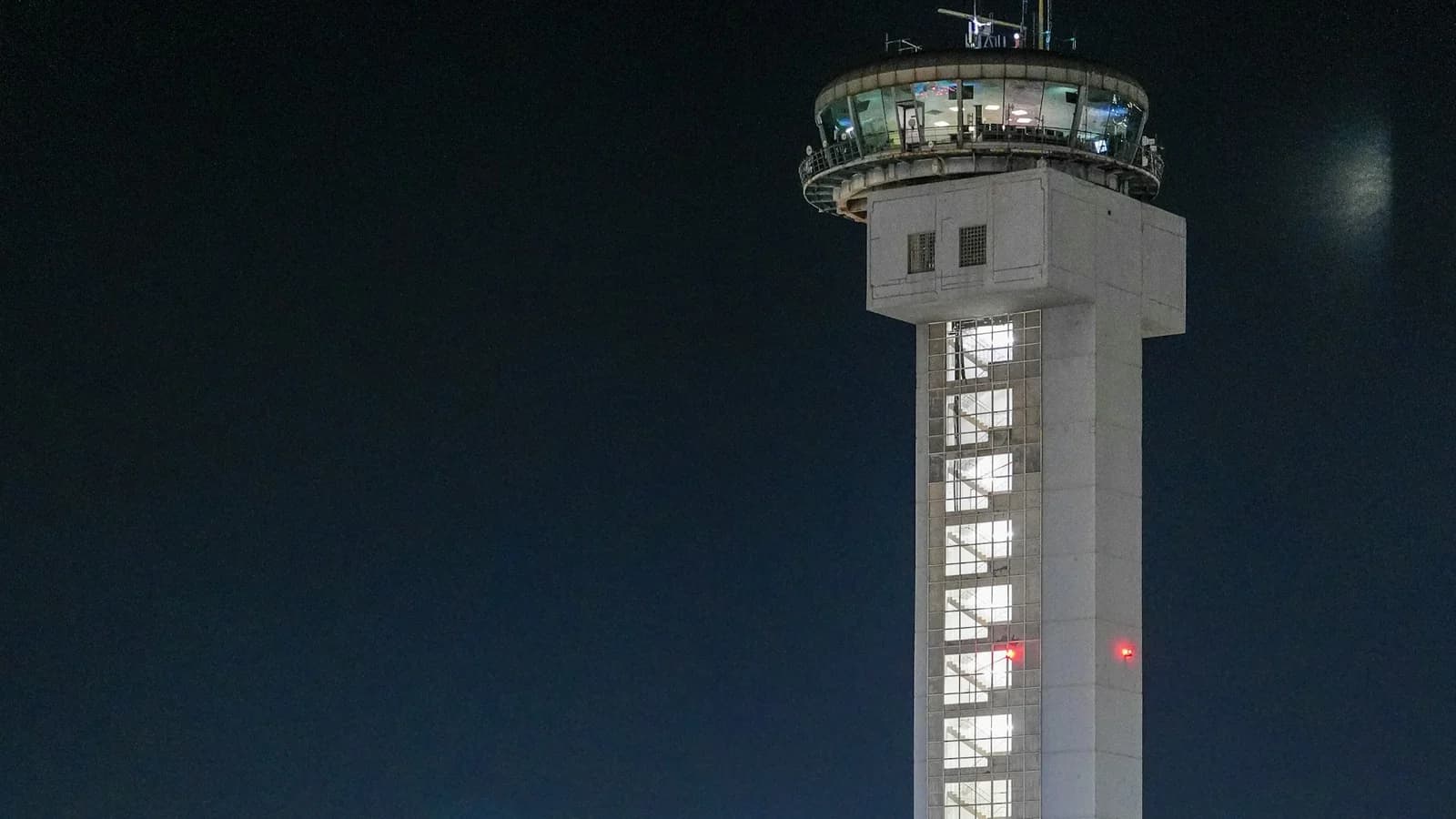
Visibility at DXB collapsed below operational minimums. ATC pulled the plug on landings. Several Dubai-bound flights diverted to Doha and Fujairah, which sounds like a clean recovery until you remember the second-order problem: crew timeouts. Pilots and cabin crew flying in and out of the Gulf this morning are now hitting their legal duty caps. That's the cascade that turns one bad weather window into a 36-hour scheduling fire.
Emirates is leading the damage list with 9 cancellations and 88 delays. flydubai cancelled 16. Oman Air, Qatar Airways, Saudia, Kuwait Airways are all in the mix. Muscat's Seeb is a parallel mess. Sharjah, Abu Dhabi and Bahrain are taking the spillover. None of this is going to clean up by lunch.
If your reaction is "fine, but we're a 60-room boutique in Cornwall, what's that to us," you're already making the mistake.
Why this is your problem
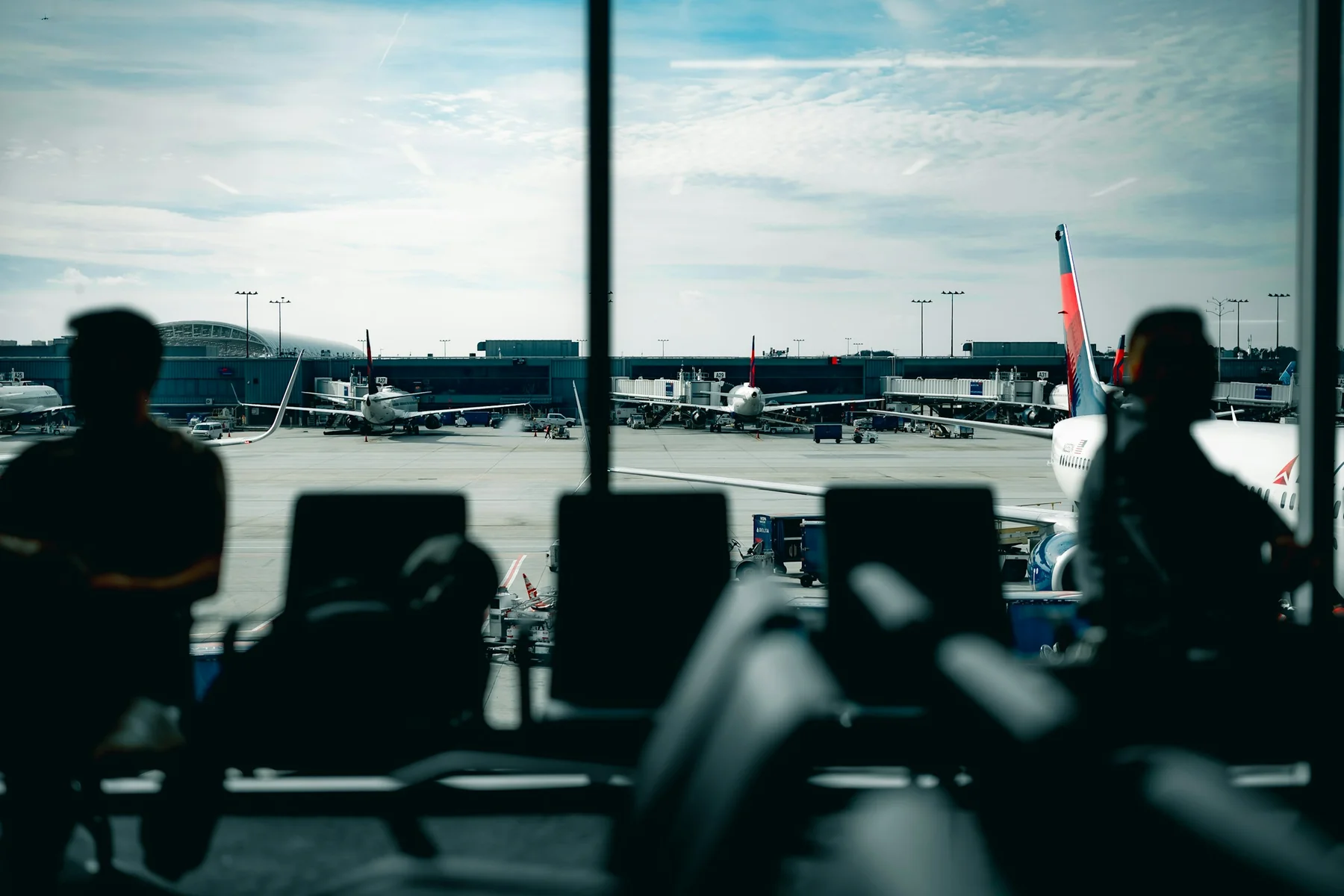
Dubai and Doha don't just serve themselves. They route long-haul traffic between Europe, Africa, South Asia, Southeast Asia and Oceania. A passenger flying London to Sydney almost certainly transits one of those two airports. Mumbai to JFK? Same. Frankfurt to Manila? Same. When DXB sneezes, the entire one-stop long-haul market gets a cold.
That means three things show up in your hotel's PMS over the next 72 hours, and most operators won't connect them to a sandstorm:
Late arrivals on Tuesday and Wednesday. Guests booked to check in tonight may not actually land tonight. Front desk gets pings of "delayed, will arrive tomorrow morning" or just nothing at all. If you're holding rooms past 3am and not selling them, you're losing revenue twice. Once on the no-show, once on the empty room you should have walked or resold.
A wave of "modify or cancel" requests for the back half of the week. Travellers who got rebooked through alternate hubs on different dates will be calling. Some will shift forward, some back. Inventory shape is going to deform.
A small no-show spike that doesn't look like one. The bookings that go quiet won't all flag. They'll just not show up. If your cancellation policy is loose, you'll eat it. If it's strict, you'll get the chargebacks next week.
What the smart operators are doing right now
First, they're pulling a list of every booking arriving in the next 72 hours that has a Gulf-routed itinerary. PMS doesn't have that field, so most teams won't bother. The shortcut is to check the booker's market: heavy inbound from India, Southeast Asia, Australia, East Africa, or one-stop European long-haul almost certainly transits the Gulf. Flag those as soft-arrival.
Second, they're not pre-emptively waiving fees. The instinct in a disruption is to send a blanket "no-fee changes" email and feel good about it. Don't. Most affected guests will rebook through their airline and never need to touch your booking. The ones who do will negotiate one-on-one. Blanket waivers cost you about 3-5% of weekly revenue and buy you nothing the airline isn't already buying for you.
Third, they're holding rate, not cutting it. The temptation is to drop ADR because demand looks soft on Wednesday morning. Don't. The demand isn't soft. It's deferred. The same heads will land 12 to 36 hours later. If you cut rate now, you're discounting bookings that were already coming.
Fourth, in-Gulf operators have been doing the opposite of all of the above. The right move there is to release rooms onto walk-in and same-day OTA inventory at premium rates. Stranded transit pax with nowhere to go are sitting in DXB right now. Some of them have airline-paid hotel vouchers. Some don't. Both are willing to pay. Don't be the property still showing your "advance purchase 14-day" rate when a thousand people two terminals away are literally homeless tonight.
The piece nobody is talking about: ATM is already gone
A small reminder that this region has been having a difficult year. Arabian Travel Market, which was supposed to start tomorrow, was already moved to August because of the broader regional security picture. That means most of the Gulf hotel industry already lost a chunk of May business they had pencilled in. A sandstorm on top of that is a stress test most balance sheets did not need.
If you operate in the Gulf, your May is now thoroughly pre-printed by events you didn't choose. The good news is that August will be unusually busy for a normally dead month. The bad news is that August is also when nobody wants to be in Dubai because it's 45°C. Some of that ATM-driven demand will shift to inland operators with conference space. The rest will simply not show up.
What to do in the next four hours
If you're outside the Gulf, pull your inbound itineraries, flag soft arrivals, prep front desk to handle late check-ins gracefully and quietly extend grace periods on a case-by-case basis. Don't do it loudly. Don't email guests an apology for something that isn't your fault. The airlines own this, you don't, and dragging your brand into the disruption only adds work without buying loyalty.
If you're in the Gulf, push your same-day inventory hard, hold rate, talk to the hotel-rep desks at the airline lounges, and lean into walk-ins. There is genuine, paid, motivated demand sitting in those terminals right now.
And if you're a revenue manager in either camp, set yourself a calendar reminder for Friday morning to look at the no-show and modification numbers and actually attribute them to today's storm. Half the industry will write off the bad week as random noise. The other half will use it to build a playbook for the next one. The next one is coming sooner than the climate models would have predicted ten years ago.
A sandstorm is a weather event for the airline. For your hotel, it is a demand-shape event. Treat it as the demand-shape event it is and you'll come out of Friday with cleaner ADR, fewer chargebacks, and a slightly smug feeling that you read the room while the rest of the market was busy refreshing FlightAware.