Luxury Doesn’t Sell: The Hidden Desire Driving Guest Decisions
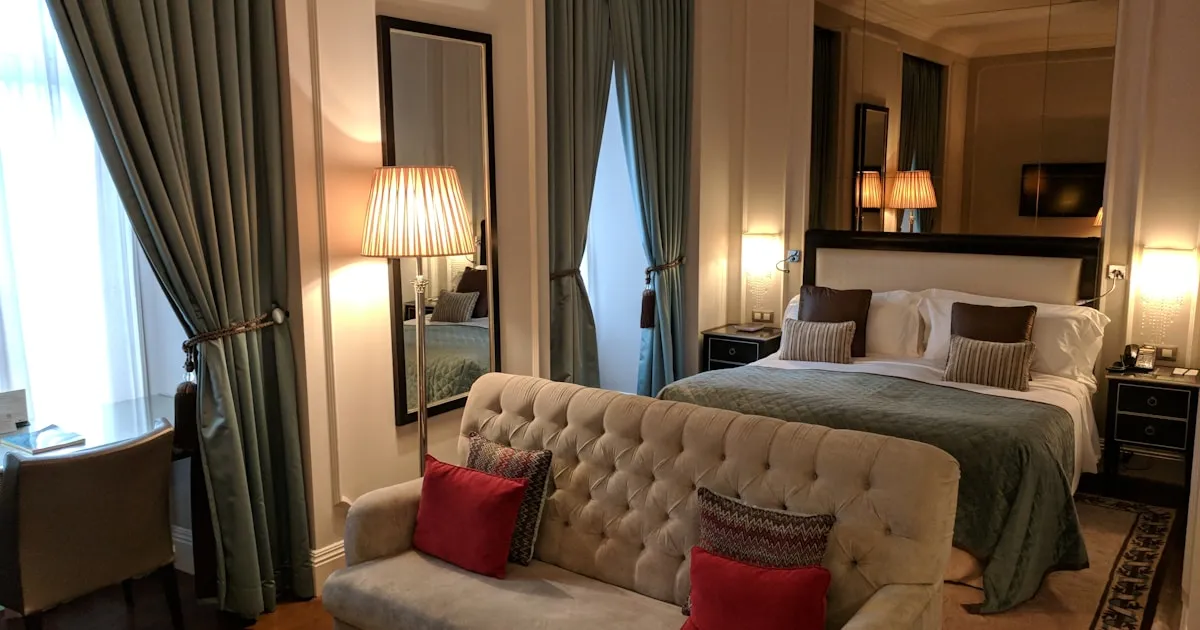
Most hoteliers think luxury sells. Bigger beds, shinier lobbies, flashier cocktails - the works. But here’s the truth: luxury doesn’t guarantee loyalty. Guests don’t book your property because of imported marble; they book, return, and recommend because of the hotel guest experience.
In 2025, the market is brutally clear. When travellers choose between a polished five-star or a sharp three-star with seamless service, speed, and a touch of personal care, the underdog often wins. This piece is about cutting through the illusion, exposing what really drives guest decisions, and showing you how to turn those insights into profit.
What Guests Really Value Beyond Marble and Chandeliers
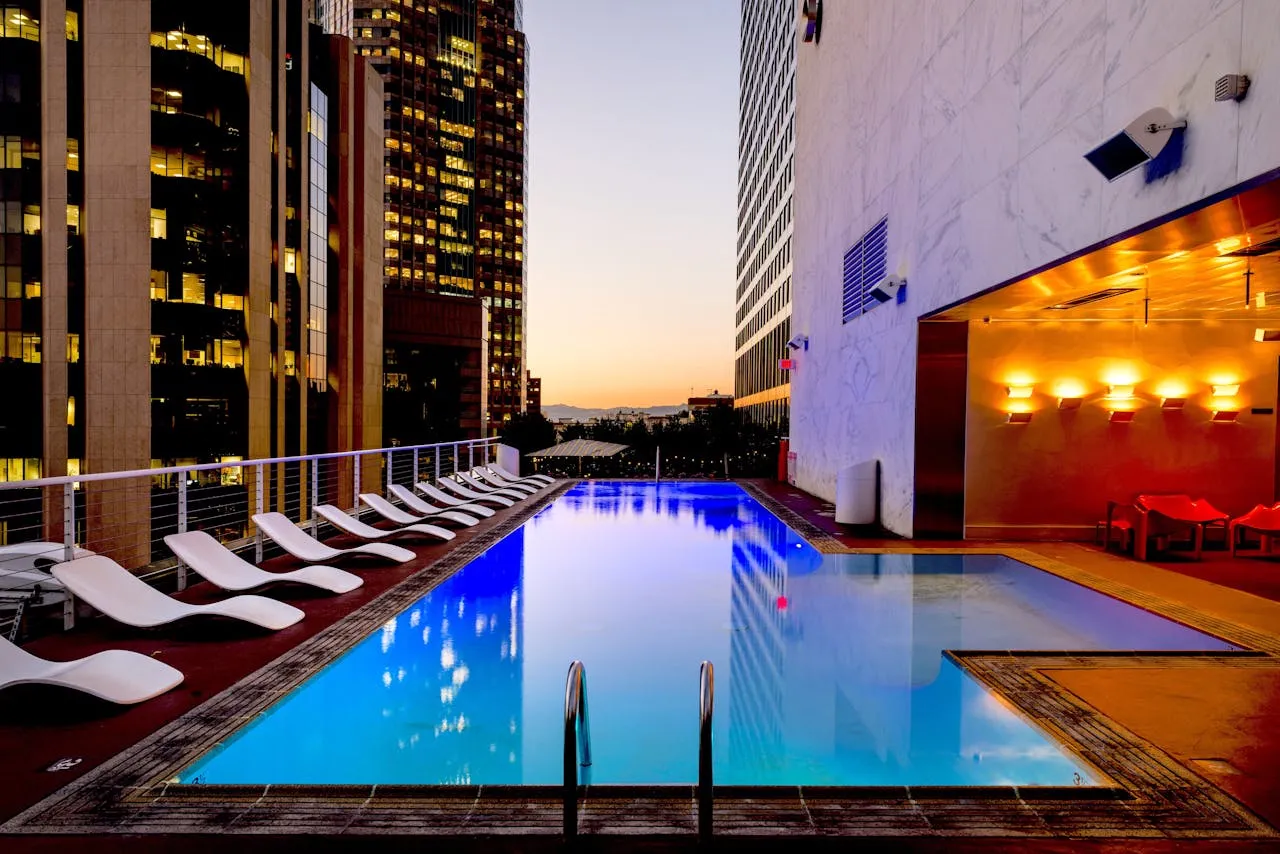
For years, the industry convinced itself that prestige meant profit. Install marble in the lobby, hang a chandelier the size of a Mini Cooper, and guests would queue at the door. Except they don’t. What truly drives the hotel guest experience in 2025 has nothing to do with shiny surfaces and everything to do with how a stay feels in practice.
The latest J.D. Power North America Hotel Guest Satisfaction Index shows the real levers. Guests rated their stays more highly when hotels got the basics right: clean rooms, working fixtures, comfortable beds, and attentive staff. Even though average daily rates climbed to 158.67 US dollars in 2024, satisfaction scores rose because hotels invested in the fundamentals of comfort and maintenance. Guests notice when a mattress is new more than when a chandelier sparkles.
Technology has become a decisive factor. Guests who used a hotel’s mobile app scored their stay almost seventy points higher on J.D. Power’s 1,000-point scale compared with those who did not. Convenience has become the new luxury. Similarly, in-room entertainment is no longer optional. Forty per cent of guests now say smart TVs are a must, and almost three quarters of hotels provide them. That is not extravagance. That is expectation.
Booking.com’s 2025 travel predictions echo the shift. Travellers increasingly favour authentic, localised stays over polished uniformity. They are booking properties that feel real, human, and purposeful. Guests want rest, reliability, and meaningful touches, not staged opulence.
The flip side is that when things go wrong, satisfaction collapses. J.D. Power’s data shows that one serious problem during a stay, whether noise, poor housekeeping, or food quality, drags guest ratings down by more than 200 points. No amount of granite countertops can undo the damage.
The lesson is straightforward. Guests reward competence and care above cosmetic upgrades. They book and rebook where service is consistent, sleep is undisturbed, and the experience feels effortless. That is where the money lies.
The Mid Tier Advantage Why Three and Four Star Hotels Are Outshining Luxury
Walk into any well-run three or four-star property in 2025 and you will see the future of hospitality. These hotels have figured out that guests are not chasing chandeliers, they are chasing competence. They focus on the guest’s actual priorities and the results are showing up in revenue and reputation.
Mid-scale chains have been closing the satisfaction gap with luxury brands for years. The latest J.D. Power figures confirm it. In the 2025 study, upper mid-scale brands recorded some of the biggest year-on-year improvements, driven by better staff interactions, sharper digital tools, and cleaner rooms. Luxury hotels, meanwhile, struggled to justify higher prices when guest expectations were unmet.
Short term rentals have added pressure. Airbnb’s own 2025 insights reveal that travellers are booking homes not for fancy décor but for reliability, clarity of communication, and seamless check-in. Hosts who offer self-check-in and maintain spotless standards earn higher reviews and more repeat bookings. That mirrors what is happening in hotels. Properties that strip away pretence and double down on efficiency are building loyalty at scale.
The mid-tier also wins on perceived value. Guests are happy to pay 120 euros for a hotel that delivers consistent comfort and reliable service, rather than 400 euros for a property that dazzles in the lobby and disappoints in the details. In fact, research from STR and CoStar in 2025 highlights that occupancy rates in mid-tier hotels held stronger than luxury properties across Europe, even as international travel surged. The lesson is clear. Guests will trade glamour for guarantee every single time.
For hoteliers and short-term rental owners, this is not bad news. It is liberation. You do not need to compete on luxury. You need to compete on experience. That is what drives repeat bookings, glowing reviews, and sustainable hotel revenue growth.
Technology and Personalisation The New Luxury
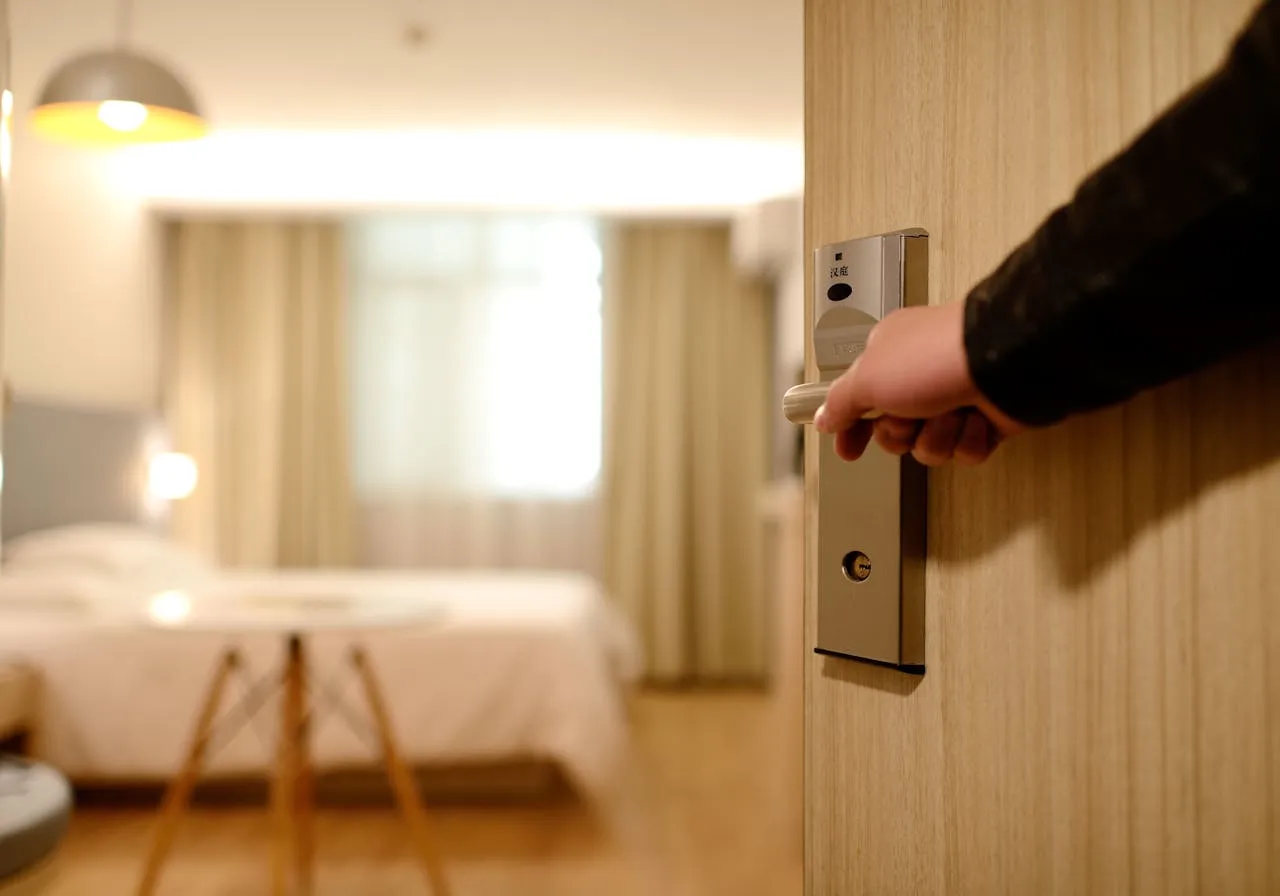
In hospitality today, technology has become the most persuasive currency. Guests do not rave about crystal chandeliers, they rave about how quickly they got into their room after a long-haul flight. They remember how seamless it was to order an extra pillow from their phone, or how the hotel app let them check out without queuing at reception. That is what defines the modern hotel guest experience.
The J.D. Power 2025 study makes the point undeniable. Guests who used a property’s mobile app rated their stays almost seventy points higher on average. That is a gulf wide enough to turn an average hotel into a market leader. For hoteliers this is not about chasing Silicon Valley glamour. It is about integrating simple, intuitive tools that save guests time and frustration.
Personalisation is the other half of the equation. When hotels and short term rentals use data smartly, guests feel understood. A returning business traveller who finds her preferred room temperature set on arrival is more likely to come back. A family who is automatically offered an early check-in because the system knows they travel with children will tell their friends. These small touches outclass luxury amenities because they make guests feel recognised, not processed.
This is where hotel marketing strategy and STR marketing tips converge. Guests want properties that anticipate their needs, not just meet them. Marriott’s Bonvoy app, for example, is investing heavily in customisation, while Airbnb has rolled out “Guest Favourites” filters that highlight hosts with consistently high ratings for communication and cleanliness. Both moves reflect the same trend: trust is built through technology-enabled personalisation, not ornate finishes.
The result is a reset of what “luxury” really means. In 2025, luxury is not a marble bath. Luxury is time saved, stress avoided, and small but meaningful recognition of personal preference. Hoteliers who grasp this are redefining the market and building guest loyalty that translates directly into hotel revenue growth.
Emotional Anchors and Storytelling What Guests Remember
Guests rarely remember the thread count of the sheets. They remember how the front desk clerk bent the rules to check them in early after a red-eye flight. They remember the handwritten note left in the room for their anniversary. They remember the story behind the local wine poured at dinner. These moments create the kind of hotel guest experience that money cannot fake.
The psychology is simple. Human memory is anchored in emotion, not spectacle. A gleaming lobby might impress on arrival, but it fades quickly. What endures is how a guest felt when they were treated with warmth, when their needs were anticipated, or when they were surprised with a gesture that felt personal. This is why guest decision drivers so often revolve around service and authenticity rather than facilities.
Recent Booking.com surveys of European travellers highlight that authenticity ranks higher than luxury in shaping travel choices. Guests are actively seeking properties that connect them to the culture, rather than shelter them from it. That could mean showcasing local artwork in the lobby, serving regional dishes at breakfast, or training staff to share insider recommendations. These touches transform a stay into a story.
For short term rentals, the same rules apply. Reviews that mention “thoughtful host” or “felt like home” consistently rank higher than those focused on décor alone. This aligns with short term rental guest experience insights: small personal gestures like stocking the fridge with local produce or providing tailored area guides directly improve ratings and repeat bookings.
The lesson is clear. Guests tell stories about experiences, not architecture. T
Practical Shifts STRs and Hotels Can Make Right Now
Knowing what guests want is only useful if you act on it. The good news is that most improvements do not require multi-million euro refurbishments. They require focus, discipline, and a willingness to ditch vanity projects in favour of practical moves that upgrade the hotel guest experience.
Audit the basics with brutal honesty. Walk through your property as if you were a first-time guest. Is the check-in smooth? Are the bathrooms spotless? Is the Wi-Fi fast and reliable? These are the foundations. Without them, no amount of luxury branding will rescue your reputation.
Invest in your people before your décor. Staff who are trained, empowered, and motivated consistently outperform marble and glass. According to J.D. Power’s 2025 data, guest satisfaction scores jump when staff resolve problems quickly and treat guests with empathy. One good conversation can outweigh ten luxury finishes.
Use data to personalise the stay. If a guest has stayed before, your system should remember. Their preferences, their booking history, their favourite room type. This is where hotelier marketing insights and practical technology merge. Even small touches like recognising a returning guest by name build disproportionate loyalty.
Upgrade where it matters. Forget about gold taps. Upgrade mattresses, shower pressure, and entertainment systems. A strong night’s sleep and easy connectivity are the upgrades that pay for themselves in higher reviews and repeat bookings.
Simplify communication. For short-term rental hosts, this is one of the highest ROI moves. Automated, clear instructions for check-in, check-out, and house rules remove stress. Guests consistently mention “easy communication” as a deciding factor, which is why Airbnb’s “Guest Favourites” filter is now rewarding hosts who excel at it. This is textbook STR marketing tips in practice.
These shifts do not just improve the guest journey. They protect revenue, reduce complaints, and generate organic advocacy. In 2025, the most powerful marketing asset is not glossy ads. It is a guest who leaves with a story worth sharing.
hey will forget the chandelier, but they will remember the staff member who went out of their way. Hoteliers who invest in these emotional anchors are building a reservoir of goodwill that no competitor can replicate with cosmetic upgrades. That is the heart of improving hotel experience.
So What Box
If you remember nothing else, remember this. Guests are not buying chandeliers, they are buying how you make them feel. Here is what to do with that insight:
Prioritise the essentials. Clean rooms, reliable Wi-Fi, and a good night’s sleep form the backbone of the hotel guest experience. Miss these and nothing else matters.
Empower your team. Train staff to solve problems quickly and personally. A warm human interaction drives higher guest satisfaction in hotels than any décor upgrade.
Leverage technology. Mobile check-in, smart TVs, and digital communication tools reduce friction and enhance hotel guest expectations.
Personalise smartly. Use guest data to anticipate needs. Even small touches create loyalty that fuels hotel revenue growth.
Tell a better story. Showcase authenticity and local character. These are the true guest decision drivers, not marble floors.
Conclusion
The evidence is overwhelming. Guests in 2025 are not swayed by opulence. They are swayed by competence, care, and clarity. A hotel that gets the fundamentals right, empowers its people, and uses technology to remove friction will consistently outperform one that hides mediocrity behind marble.
This is the new reality of the hotel guest experience. Guests reward those who respect their time, understand their needs, and treat them like humans rather than room numbers. For hoteliers and short-term rental owners, the smartest investment you can make is not in luxury finishes but in the systems, staff, and small touches that actually shape memories.
Focus there and you will not just improve guest satisfaction in hotels, you will build the kind of loyalty that sustains growth long after the chandelier has stopped shining.
Kicker
Luxury fades, but experience sticks. Give guests a story worth retelling and they will do your marketing for you.