Mayon Erupted Twice More Yesterday. Bicol Hotels Are Pitching the Wrong Product.
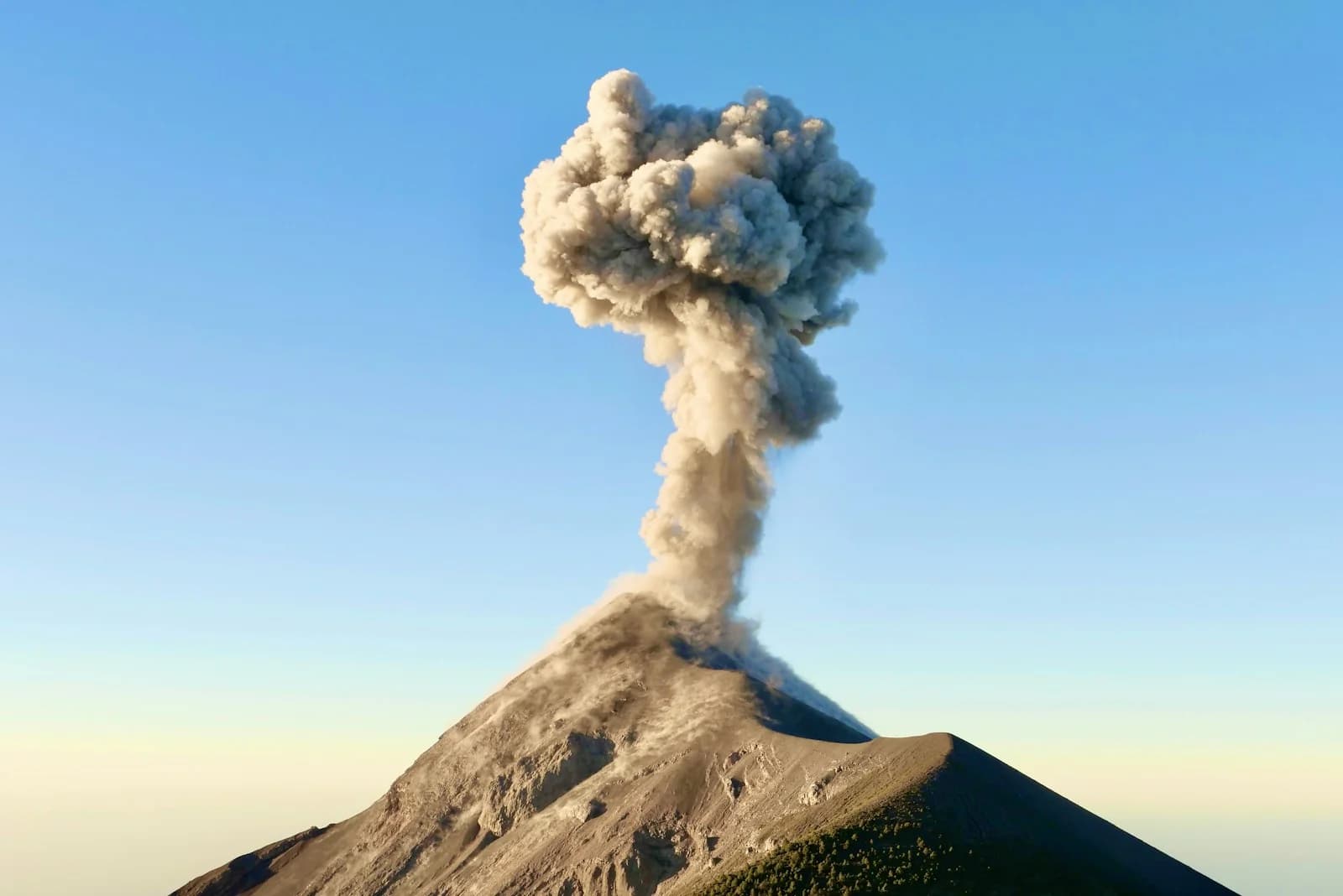
Mayon erupted twice more yesterday. The Volcanic Ash Advisory Center in Tokyo logged eruption events at 04:41 UTC and 11:28 UTC on May 26, with a third advisory issued at 11:56 UTC. PHIVOLCS held the alert at Level 3. The volcano is now on its 141st consecutive day of effusive eruption. And the question every Bicol operator should be asking this morning is not "how do we capture volcano-view demand." It is "why are we still selling that product."
Because the room you are about to sell with a glossy "live volcano view" caption is the same room a family from Camalig or Daraga might be sleeping in for the next sixty days if you stop trying to be a curiosity destination and start being a logistics partner.
Let me be plain. 195,000 people across Albay have been displaced or directly affected. Ashfall has hit 124 barangays. 26,654 families are in evacuation centres, gyms and tents. Vegetable farms are destroyed. Cattle are dying from inhaled ash. The Civil Aviation Authority has banned all aircraft within a six-kilometer radius of the summit. Bicol International Airport has been cancelling flights since the May 2 escalation, and yesterday's renewed activity will extend that window indefinitely.
Now flip to the trade press and the Airbnb listings. "Volcano-view packages." "Real-time safety briefings." "Emergency kits included." Operators in Legazpi City are quoted in regional travel coverage adapting their packages to monetise the spectacle. Tourists are still flocking, and the operators are smiling because the May occupancy curve is the only thing in Bicol that does not look like a disaster.
This is the trap. The short-term revenue is real. The brand damage is real too, and it lasts longer.
Disaster tourism is a yield trap
The hotel ops mistake here is treating volcanic activity like a snowstorm or a music festival. A surge event you ride for two weeks, charge a premium, and recover from. It is not the same shape. A snowstorm ends. Mayon does not. You are 141 days into a continuous eruption and your alert level is sitting at 3 with no published path back to 2.
Even if you treat the brand question as morally neutral, which I do not, the revenue math is bad. Volcano-tourism guests stay two nights. They check Instagram, they take the photo, they leave. Your repeat rate on that cohort is functionally zero, because the next time the curiosity hits they will go somewhere new. Your ancillary spend is low because they are out at viewpoints, not in your restaurant. And every one of them is generating a TripAdvisor review that lives forever next to phrases like "ash everywhere," "couldn't really see anything in the smoke," "weird vibe with all the evacuation news."
You are pricing the room high, taking a two-night ADR bump, and trading 36 months of brand equity for it. That is not yield management. That is yield self-sabotage.
The relief contract pivot
The play almost nobody runs is the inverse. Pivot inventory to the cohorts who actually need it, lock medium-term rates, and let the curiosity tourists go to your competitors.
There are four cohorts in the market right now around any major natural disaster, and three of them are paying customers that any decent ops director should be calling today.
First is government. The Department of Social Welfare and Development is running evacuation operations across Albay. Regional government units have emergency accommodation budgets. They negotiate at scale, they pay net 30 to net 60, and they are usually delighted to find an operator willing to commit a room block for 30 to 90 days at a transparent rate. The ADR is below your rack but the occupancy is 100% guaranteed and the operational lift is minimal because the cohort does not need housekeeping turnovers or concierge service.
Second is humanitarian. The Red Cross, World Food Programme, OCHA and a dozen NGOs are mobilising staff into Bicol right now. These teams need rooms for weeks at a time, they value a working desk and reliable wifi over a pool view, and they pay reliably through institutional channels. They also generate the kind of review that says "the team at Hotel X was incredible during a difficult assignment," which is worth more than any influencer post.
Third is media. International correspondents and documentary crews will be in Albay for the next several weeks. They book mid-tier, they tip well, they request late checkouts and early breakfasts, and they will be back the next time something happens within 500 kilometers. Get on their fixers' list now and you have a small but durable revenue stream.
Fourth, and only fourth, are the curiosity tourists. Let them have whatever inventory is left.
What to do this week
If you operate in Bicol, Sorsogon or even Camarines Sur, pull your forward book today and segment it. Highlight any volcano-view package you are still actively marketing and decide whether to keep selling it or quietly pull the listing. My take is pull it. If you have already taken those bookings, honour them and move on, but stop adding to the pile.
Call your DSWD regional office before lunch. Ask what their accommodation procurement looks like for the next 60 days. Even if they decline, you have started the conversation. Then call PRC and the major UN agency country offices in Manila. Tell them you have inventory available at a fixed weekly rate for relief staff. Send the rate sheet today, not next Tuesday.
Build a fixer pack. One PDF with your contact, distance to evacuation centres, distance to PHIVOLCS observation points, available conference space if any, and a note that you offer per-diem billing. Email it to the international correspondents working out of Manila bureaus. They will forward it to colleagues without you asking.
Adjust your housekeeping schedule. Long-stay relief and media guests are a different operational rhythm to leisure. Bi-weekly turnovers, towel exchanges at the desk, restocked coffee. Train the team on this now, not in week three when you have already lost goodwill.
And on social, change the tone. Stop posting drone shots of the plume. Post your community work. Post the room block you committed to the DSWD. Post the discount you are offering to NGO staff. The volcano-tourist cohort is the smallest possible audience for that content, and the audience that matters, your future bookers from outside the Philippines who will see your hotel in a Google search in 2027, will see exactly which side of this you were on.
The next eruption advisory is probably hours away. Mayon does not care about your Q2 forecast. But your future bookers will care about what your hotel did during day 141.